Home • Blog • Pedestrian Killed on East Coast Highway in Newport Beach: What California Families Need to Know After a Fatal Crash
Pedestrian Killed on East Coast Highway in Newport Beach: What California Families Need to Know After a Fatal Crash
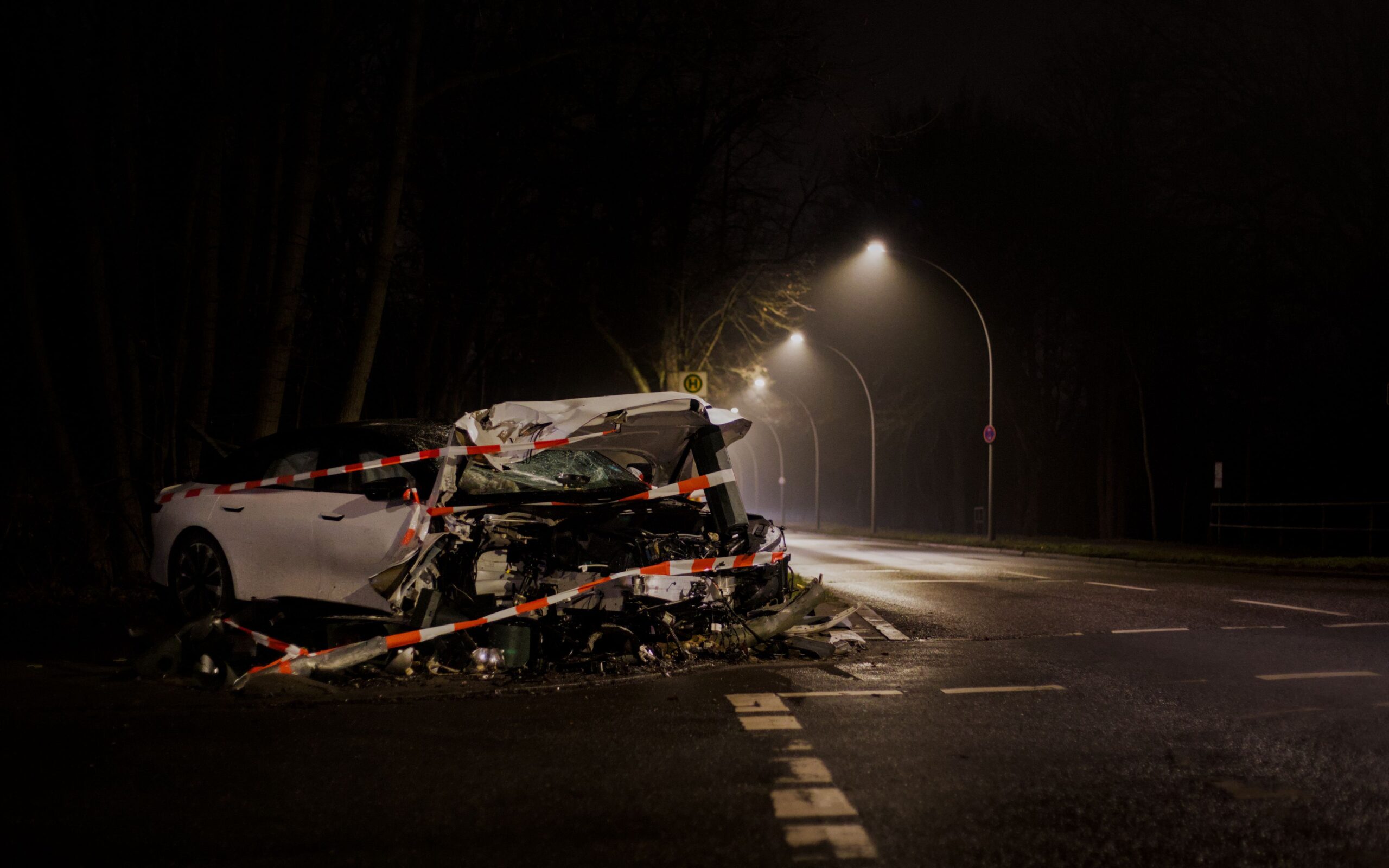
On the afternoon of Wednesday, June 24, 2026, a pedestrian was struck and killed by a vehicle near the intersection of East Coast Highway and Newport Coast Drive in Newport Beach. According to the Newport Beach Police Department, the collision happened just after 12:45 p.m. in the westbound lanes of Coast Highway, just west of the intersection. Bystanders rushed in and tried to help before emergency crews arrived, but the pedestrian was pronounced dead at the scene by Newport Beach Fire Department personnel. Police closed southbound lanes at Pelican Point and northbound lanes at Newport Coast Drive for several hours, reopening the roadway by roughly 6:30 p.m. The department’s Major Accident Investigation Team has taken over the investigation.
A loss like this is devastating, and in the days that follow, families are often left with painful questions about what happened and what comes next. This article explains how California law treats fatal pedestrian crashes and what legal options may be available to surviving family members. It is general information only, not advice about any specific case.
Pedestrian Killed on East Coast Highway in Newport Beach
What happens legally after a fatal pedestrian accident in California?
When someone is killed in a pedestrian collision, California law allows certain surviving family members to bring what is known as a wrongful death claim. This is a civil case, separate from any criminal investigation or traffic citation the police may pursue. Its purpose is to seek financial accountability for the losses the family has suffered, such as the loss of companionship, support, and the financial contributions the person would have provided.
Under California Code of Civil Procedure § 377.60, the people who may file a wrongful death claim are generally defined by their relationship to the person who died, beginning with a surviving spouse, domestic partner, and children. The rules about who qualifies can become complicated depending on family circumstances, so it is worth confirming eligibility with an attorney rather than assuming.
Who can be held responsible when a pedestrian is killed?
Responsibility depends entirely on the specific facts, which is why investigations like the one underway in Newport Beach matter so much. In many pedestrian cases, the focus is on the driver and whether they were speeding, distracted, impaired, or failed to yield. But fault is not always limited to the driver alone. Depending on the circumstances, factors such as roadway design, signal timing, visibility, or vehicle condition can also play a role. A thorough investigation looks at all of these possibilities rather than settling on the simplest explanation.
Does it matter if the pedestrian was partly at fault?
It can affect the amount of a recovery, but in California it does not automatically end a claim. California follows a “pure comparative negligence” rule. Under this approach, if a pedestrian is found to share some responsibility for a collision, the family’s recovery is reduced in proportion to that share rather than barred completely. In practice, this is often where disputes arise, because an at-fault driver’s insurance company may try to shift blame onto the pedestrian to reduce what it has to pay. Understanding how comparative fault works is one reason families often consult an attorney after a serious or fatal crash.
How long do you have to file a claim after a fatal accident in California?
For most California personal injury and wrongful death claims, the general statute of limitations is two years from the date of injury or death, under California Code of Civil Procedure § 335.1. Missing that deadline can mean losing the right to bring a claim at all.
There is a critically important exception. When a claim involves a government entity, such as a city, county, the state, a public agency, or a public hospital, a formal written claim usually must be presented within six months of the incident under the California Government Claims Act, Government Code § 911.2. This step must happen before a lawsuit can even be filed. Because a fatal pedestrian crash on a public roadway can sometimes raise questions about how an intersection or street was designed or maintained, this shorter government deadline can become relevant in ways that are not always obvious at first.
These deadlines vary depending on who may be responsible, so the safest course is to confirm your specific timeline with an attorney as soon as possible rather than trying to calculate it on your own.
Why acting promptly matters, even apart from deadlines
Beyond filing deadlines, there is a practical reason not to wait. Evidence that may be important to understanding a crash can disappear quickly. Surveillance or traffic camera footage may be recorded over, vehicles may be repaired or sold, and physical evidence at the scene can be cleared away within days. Witness memories fade as well. Preserving this information early can make a meaningful difference in piecing together what actually happened, regardless of how much time technically remains to file.
Should you talk to a lawyer after a fatal pedestrian crash?
There is no legal requirement to hire an attorney, and not every situation calls for one. But after a fatal pedestrian collision, families are often dealing with grief while also fielding calls from insurance companies, sorting through a police investigation, and trying to understand their rights all at once. Speaking with a personal injury attorney can help clarify whether you have a claim, who the potentially responsible parties are, and what deadlines apply to your particular circumstances.
If you have lost a loved one in a pedestrian accident in Newport Beach, Orange County, or anywhere in California, Oaks Law Firm is available to discuss your situation in a confidential consultation. We can listen to what happened and help you understand the options that may apply to your family, with no pressure and no obligation. When our firm handles a case on a contingency basis, that means there is no attorney’s fee unless we recover for you; case costs and expenses may be handled separately, which we are always happy to explain up front.
Oaks Law Firm serves clients throughout California, including Los Angeles
This article is provided for general informational purposes only and does not constitute legal advice. The information presented may not reflect the most current legal developments and should not be relied upon as a substitute for consultation with a licensed attorney. Every personal injury case involves unique facts and circumstances, and the outcome of any case depends entirely on those specific facts. Any results, settlement amounts, or verdicts referenced in this content are specific to the individual cases described, are not typical, and do not guarantee, promise, or predict a similar outcome in your case. Reading this content does not create an attorney-client relationship with Oaks Law Firm. Contact us directly for a consultation specific to your situation or Call (877) 539-5366