

Most people assume personal injury law only covers broken bones and hospital bills. That assumption leaves a lot of people unprotected. What is personal injury law, really? It’s a broad category of civil law that covers physical injuries, yes, but also emotional distress, reputational damage, and financial losses caused by another person’s negligence or intentional misconduct. If someone else’s careless or wrongful behavior harmed you in any meaningful way, this area of law may give you a path to compensation. Understanding its scope before you ever need it is one of the smartest things you can do.
Table of Contents
- Key takeaways
- What is personal injury law and how it really works
- How a personal injury case actually proceeds
- The role of a personal injury lawyer in your case
- Common personal injury case types and typical damages
- My take: why waiting is the single biggest mistake
- How Oaks Law Firm can help you right now
- FAQ
Key takeaways
| Point | Details |
|---|---|
| Broader than physical harm | Personal injury law covers emotional distress and financial losses, not just bodily injuries. |
| Four elements must be proven | Duty, breach, causation, and damages are all required to succeed in a personal injury claim. |
| Deadlines are strict | California has firm filing deadlines, and missing them can eliminate your right to recover anything. |
| Attorneys work on contingency | Most personal injury lawyers charge no upfront fees, taking a percentage only if you win. |
| Early legal help matters | Contacting a lawyer quickly after an injury protects evidence and prevents costly early mistakes. |
What is personal injury law and how it really works
Personal injury law is a branch of civil law. Its purpose is to hold individuals, businesses, and institutions financially accountable when their negligent or intentional actions cause harm to another person. Unlike criminal law, which punishes offenders on behalf of society, personal injury law focuses on making the injured person whole again through monetary compensation.
The foundation of nearly every personal injury claim is negligence. Negligence is not about bad intentions. It is about failing to act with the level of care that a reasonable person would use in the same situation. A driver who runs a red light is negligent. A store owner who ignores a wet floor for hours is negligent. A surgeon who operates on the wrong limb is negligent.
To win a personal injury case, four elements must be proven: duty, breach, causation, and damages. Each one matters.
The four core elements explained
- Duty of care: The defendant had a legal obligation to act reasonably toward the plaintiff. Drivers owe a duty of care to other road users. Property owners owe it to visitors. Doctors owe it to patients.
- Breach: The defendant failed to meet that standard of care. This is where fault is established.
- Causation: The breach directly caused the plaintiff’s harm. It is not enough that someone acted carelessly. That carelessness must be the actual reason the injury happened.
- Damages: The plaintiff suffered real, measurable harm, whether physical, emotional, or financial.
Once those elements are established, the next question is what you can recover. Damages fall into two major categories. Economic damages are calculable losses: medical bills, lost wages, property damage, and future treatment costs. Non-economic damages cover things that are real but harder to quantify, including pain and suffering, emotional distress, and loss of enjoyment of life. You can see a breakdown of compensation types that apply to car accident cases specifically, which illustrates how varied these categories can be.
One more concept worth understanding early: comparative negligence. In California and many other states, you can still recover compensation even if you were partially at fault for your own injury. Pure comparative negligence allows recovery even if you bear significant fault, though your damages are reduced by your percentage of responsibility.
Pro Tip: Document everything from the moment an injury occurs. Photos, witness names, medical records, and written accounts of how the injury affects your daily life all serve as evidence of both liability and damages.
How a personal injury case actually proceeds
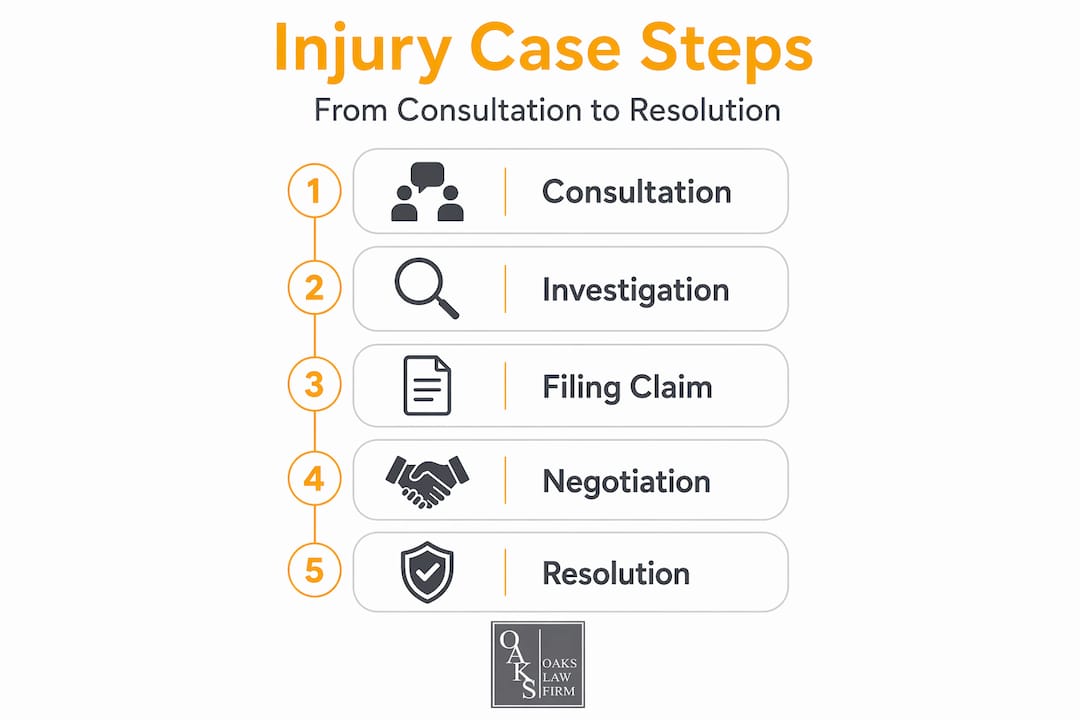
People often picture personal injury claims as dramatic courtroom battles. Most are not. The majority resolve through negotiation long before trial. Here is a realistic picture of how the process unfolds.
- Seek medical attention immediately. This is both a health priority and a legal one. Medical records created close to the incident date are some of the most powerful evidence in any claim.
- Contact a personal injury lawyer. Timing here is critical. Evidence disappears, witnesses become unreachable, and early communications with insurance companies can seriously hurt your case if you go in unrepresented.
- Investigation and evidence gathering. Your attorney collects police reports, medical records, witness statements, surveillance footage, and expert opinions. This phase builds the factual foundation for your claim.
- Demand letter and pre-litigation negotiation. Before any lawsuit is filed, your lawyer typically sends a formal demand to the at-fault party’s insurer outlining your injuries, losses, and the compensation you are seeking.
- Filing a lawsuit if needed. When negotiations stall or the insurer makes an unreasonable offer, your attorney files a complaint in civil court. This begins the formal litigation process.
- Discovery. Both sides exchange evidence, take depositions, and build their legal arguments. This phase can take months.
- Mediation or settlement conference. Many cases settle here. A neutral third party helps both sides reach an agreement without going to trial.
- Trial. If no settlement is reached, the case is presented to a judge or jury. A verdict is rendered, though appeals are possible.
One of the most important factors in this entire process is timing. Statutes of limitations are strict legal deadlines for filing claims. In California, the general deadline for personal injury claims is two years from the date of injury. Missing that deadline typically means losing your right to recover anything at all, regardless of how strong your case might be.
| Stage | What happens | Who drives it |
|---|---|---|
| Initial consultation | Evaluate case merits and legal options | Attorney and client |
| Investigation | Collect evidence, medical records, expert opinions | Attorney |
| Demand and negotiation | Submit demand letter, negotiate with insurer | Attorney |
| Lawsuit filing | File complaint in civil court if negotiation fails | Attorney |
| Discovery | Exchange evidence, depose witnesses | Both legal teams |
| Trial | Present case to judge or jury | Both legal teams |
Pro Tip: Never give a recorded statement to an insurance adjuster before speaking with a lawyer. Adjusters are trained to ask questions that reduce your payout, and your words can be used against you later.
The role of a personal injury lawyer in your case
Here is something most people do not realize until it is too late: having a lawyer from the start of your claim is not about being litigious. It is about protecting yourself from a system that is not designed to pay you what you deserve.
A personal injury lawyer handles far more than courtroom arguments. They investigate the incident, identify all potentially liable parties, calculate the true value of your damages (which almost always exceeds what an insurer initially offers), and manage all communications with opposing parties. Personal injury lawyers handle all stages of a claim, from evidence gathering through trial if necessary, and their willingness to actually go to trial gives them significant leverage in settlement negotiations. Insurers settle for more when they know a lawyer is prepared to fight.
What to expect at your first consultation
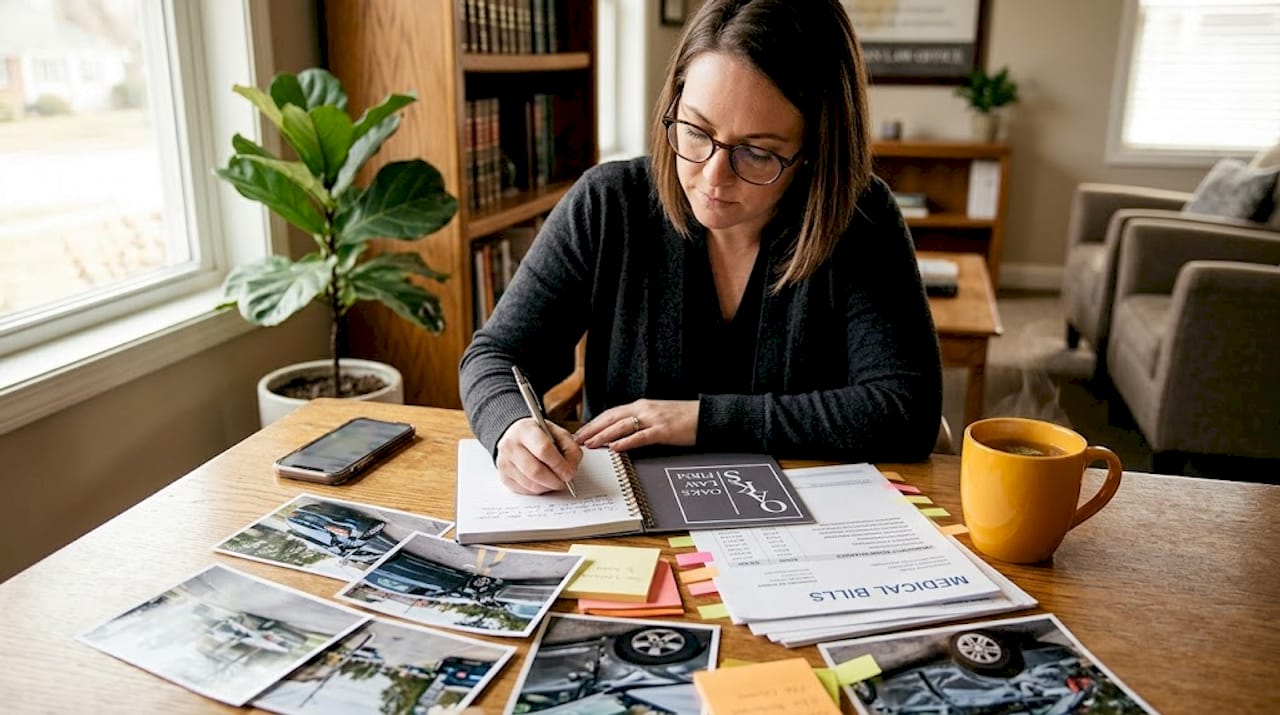
The first meeting with a personal injury lawyer is not a deposition or an interrogation. It is a conversation. You do not need to arrive with a stack of organized files. Bring whatever documentation you currently have, whether that is a few photos, a medical bill, or just your own account of what happened. The purpose of that meeting is to assess the legal viability of your situation, not to build the entire case in one sitting.
One concern that stops many people from calling a lawyer is privacy. What if I say something that gets used against me? The answer is that attorney-client privilege applies from the moment you speak with an attorney in a professional capacity, even before you sign any agreement. Everything you share in that consultation is confidential.
- Contingency fees mean no upfront cost. Most personal injury firms charge a percentage of your recovery rather than hourly rates. If you do not win, you pay nothing. This agreement must be in writing, so read it carefully before signing.
- Your lawyer manages insurer communications. Once you have representation, you should not speak directly to the other party’s insurance company. Your attorney handles all of that.
- Early involvement improves outcomes. Lawyers can preserve evidence, advise you on what to say and what not to say, and identify legal angles you would never spot on your own.
- Choosing the right attorney matters. Look for someone who specializes in personal injury, has trial experience, and gives you clear communication from the first call.
Pro Tip: Ask any attorney you consult whether they have actually taken cases to trial or whether they settle everything quickly. Insurers know which lawyers go to court and which ones fold under pressure. That knowledge shapes every offer they make.
Common personal injury case types and typical damages
Personal injury law covers a wide range of situations. Understanding where your situation might fit helps you recognize when you have a valid claim worth pursuing.
| Case type | Common injuries | Typical damages sought |
|---|---|---|
| Car accidents | Whiplash, fractures, head trauma | Medical bills, lost wages, pain and suffering |
| Slip and fall | Broken bones, back injuries, head injuries | Medical costs, lost income, emotional distress |
| Medical malpractice | Surgical errors, misdiagnosis, medication errors | Future medical care, lost earning capacity |
| Dog bites | Lacerations, nerve damage, psychological trauma | Medical treatment, counseling, scarring damages |
| Product liability | Burns, poisoning, crush injuries | Compensatory and punitive damages |
Car accidents are the most frequent source of personal injury claims in California, particularly in the Los Angeles area where freeway traffic is dense and collisions happen daily. A skilled car accident attorney understands how to account for long-term costs like ongoing physical therapy, diminished earning ability, and the emotional toll of serious injury.
Slip and fall cases hinge on proving that a property owner knew or should have known about a hazardous condition and failed to address it. These cases often come down to surveillance footage and maintenance logs, which is exactly why evidence gathering begins immediately.
Medical malpractice is among the most complex personal injury categories. It requires expert medical testimony to establish what the appropriate standard of care should have been and how the provider deviated from it.
Regardless of case type, comparative negligence rules mean that even a partially responsible plaintiff can still recover. If you were 20% at fault in a car accident, your damages are reduced by 20%, but you are not barred from recovery entirely. Carefully documenting both your economic losses (every receipt, every bill, every missed paycheck) and your non-economic losses (a pain journal is surprisingly powerful evidence) builds the strongest possible picture of your harm.
My take: why waiting is the single biggest mistake
I have spent my entire legal career representing injured people in the and throughout California, and I can tell you with certainty that the clients who come to me early get better outcomes than those who wait. It is not a close call.
What I have seen happen when people wait: they give recorded statements to insurance adjusters that undercut their claims. They accept early settlement offers worth a fraction of their actual damages. Surveillance footage gets overwritten. Witnesses move or forget details. The case that could have been worth six figures quietly shrinks into something that barely covers the medical bills.
The counterintuitive lesson I keep coming back to is this: establishing legal counsel before an accident is even better than calling a lawyer right after. I know that sounds strange. Nobody expects to get hurt. But knowing which attorney you would call, having had at least one conversation about your rights, means that when something does happen, you are not scrambling. You are not calling the first name you see on a billboard at 11pm from a hospital waiting room.
The other thing I see constantly is people who are afraid to call because they think they need everything figured out first. You do not. Bring whatever you have. Tell me what happened. That is what the first conversation is for. The instinct to wait until things are “clear enough” is exactly what costs people the most money and the most peace of mind.
My honest advice: understand what personal injury law is now, before you ever need it. Know your rights. Know the deadlines. Know that a conversation with a lawyer costs you nothing and protects everything.
— Matthew Nezhad
How Oaks Law Firm can help you right now
If you or someone you love has been injured due to someone else’s negligence, Oakslawfirm is ready to fight for the compensation you deserve.

At Oakslawfirm, lead attorney Matthew Nezhad has spent his entire career representing injured victims throughout the and all of California. The firm handles everything from car accident injuries like whiplash and neck trauma to wrongful death claims for families who have lost someone. With Oakslawfirm’s no fee guarantee, you pay nothing unless the firm wins your case. No upfront costs. No financial risk to get started. Contact Oakslawfirm today for a free case evaluation and let an experienced Los Angeles personal injury attorney review your situation before time runs out.
FAQ
What does personal injury law cover?
Personal injury law covers physical injuries, emotional distress, and financial losses caused by another party’s negligence or intentional conduct. It applies in situations ranging from car accidents and slip and falls to medical malpractice and product liability.
How long do I have to file a personal injury claim in California?
California generally gives you two years from the date of injury to file a personal injury lawsuit. Missing this deadline can permanently bar you from recovering any compensation.
Do I need a lawyer for a personal injury claim?
You are not legally required to have one, but personal injury lawyers handle all stages of a claim and their willingness to take cases to trial typically results in significantly higher settlement offers from insurers.
How much does a personal injury lawyer cost?
Most personal injury attorneys work on a contingency fee basis, meaning they take a percentage of your recovery only if you win. There are no upfront fees, and the agreement must be in writing before representation begins.
What should I bring to my first consultation with a personal injury lawyer?
Bring whatever documentation you have, such as photos, medical records, or an incident report. You do not need a complete file. The consultation is about assessing the legal viability of your situation, and attorney-client privilege protects everything you share.
