
Attorney Advertising. This article was prepared with the assistance of artificial intelligence and reviewed by Oaks Law Firm prior to publication.
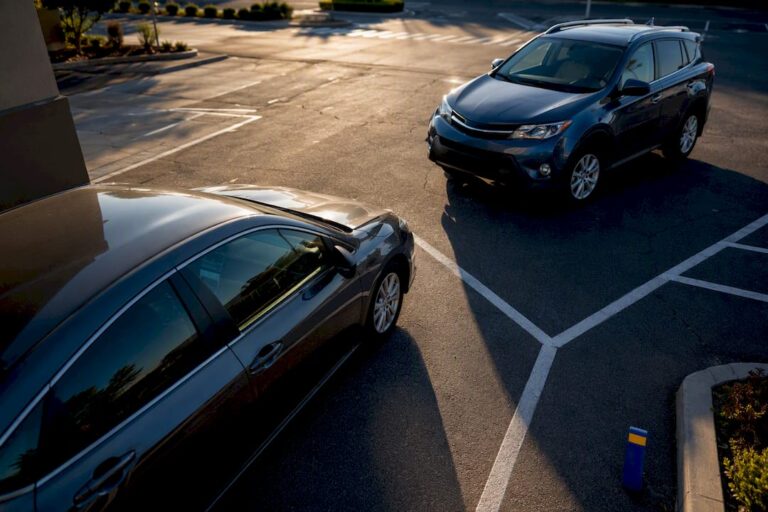
Fault in a California parking lot accident depends on who was moving, who had the right-of-way, and what the physical evidence shows. The single most important thing to do right now is document the scene and get medical care before memories fade and security footage gets overwritten.
TL;DR:
- Fault is most often assigned to drivers reversing out of parking spaces who fail to yield to cross traffic or pedestrians.
- Evidence such as damages, surveillance footage, witness statements, and vehicle positions strongly influences fault determination, not just claims made later.
- Property owners may be held liable if hazards like poor lighting or missing signage contributed to the crash, but only if the harm was foreseeable.
- Immediate actions include photographing the scene, obtaining witness contact info, preserving security footage, and reporting the accident to your insurer within a few days.
- California’s two-year deadline to file personal injury claims applies, but claims against public entities must be filed within six months, making prompt legal advice crucial.
Table of Contents
- What Determines Fault in a Parking Lot Accident in California?
- Who Is Usually at Fault in Common Parking Lot Scenarios?
- Can a Property Owner Be Liable for a Parking Lot Accident?
- What Should You Do Immediately After a Parking Lot Accident?
- How Long Do You Have to File a Claim in California?
- How Does a California Personal Injury Attorney Help After a Parking Lot Crash?
- Who Has the Right-of-Way in a Parking Lot?
- How Does Fault Work in Rental Car or Commercial Vehicle Parking Lot Accidents?
- How Does Comparative Fault Change Your Insurance Payout?
- What Insurance Coverage Applies to a California Parking Lot Accident?
- A Note From Oaks Law Firm
- Get a Free Case Evaluation From Oaks Law Firm
- Sources
- FAQ
What Determines Fault in a Parking Lot Accident in California?
Parking lot fault claims run on the same legal skeleton as any car accident case: negligence. A driver owes others a duty to drive reasonably, breaches that duty through careless movement, and that breach causes measurable harm. Prove those four pieces, duty, breach, causation, damages, and you have a viable claim.
California’s twist is pure comparative fault. This matters enormously in parking lots, where fault often splits between two backing vehicles or a distracted pedestrian and a speeding driver.
Traffic laws don’t disappear once you leave the street. California Vehicle Code provisions on right-of-way, stop signs, and careless driving generally apply in parking lots open to public use, and posted signage or painted lane markings carry real weight when adjusters reconstruct what happened.
Insurers build their fault findings from a short list of evidence:
- Vehicle damage location and direction of impact
- Surveillance footage from the property or nearby businesses
- Witness statements taken at or near the scene
- Skid marks, debris fields, and final resting positions of the vehicles
Whoever gathers the strongest version of that evidence usually wins the fault argument, not whoever tells the more convincing story after the fact.
Who Is Usually at Fault in Common Parking Lot Scenarios?
Most parking lot crashes fall into a handful of repeat patterns, and California fault rules treat each one a little differently.
- Backing out of a space. The driver in reverse is almost always found responsible, since drivers pulling out have a duty to check for cross traffic and pedestrians before moving.
- Two cars backing out at once. This is the messiest category. Fault often splits 50/50 or close to it, and the outcome hinges entirely on witness accounts or footage showing who moved first.
- Rear-end collisions in a parking lane. The trailing driver is usually liable, just as on a regular road, unless the lead car reversed suddenly or brake-checked without cause.
- Hitting a legally parked car. The moving vehicle almost always bears fault. That flips if the parked car was blocking a fire lane, double-parked, or otherwise stopped illegally.
- Pedestrian collisions. Fault turns on visibility, vehicle speed, and whether the pedestrian was in a marked walkway. Lots with heavy foot traffic near store entrances draw extra scrutiny, especially involving children darting between cars.
A few recurring exceptions bend these general rules: a driver invoking the sudden emergency doctrine after swerving to avoid a runaway cart, an illegally parked vehicle that created the hazard in the first place, or a distracted or intoxicated driver whose conduct overrides the usual right-of-way analysis.
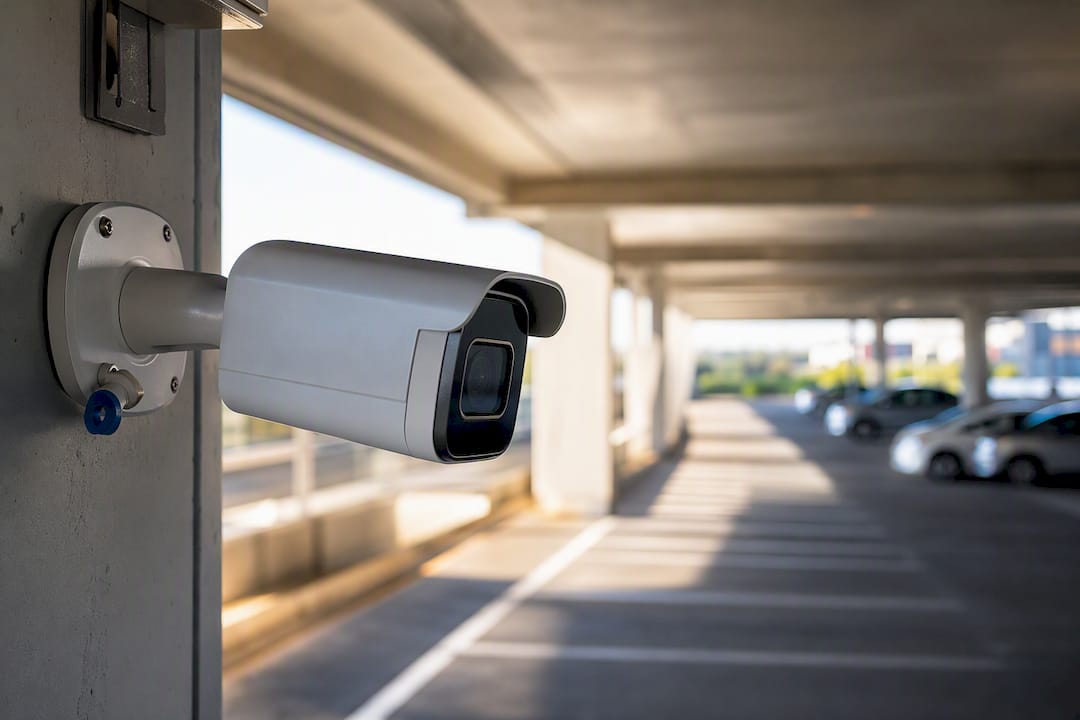
Pro Tip: If your lot has a security camera pointed anywhere near the crash, ask the property manager to preserve the footage in writing, by email or text, the same day. Most systems overwrite recordings within days.
Can a Property Owner Be Liable for a Parking Lot Accident?
Sometimes fault points past the other driver and toward the person who owns or manages the lot. This is a premises liability claim, a separate legal theory from ordinary driver negligence, and it’s harder to win.
California courts use the Rowland factors to decide whether a property owner owed a duty at all: how foreseeable the harm was, how closely connected the owner’s conduct was to the injury, and how heavy a burden it would place on the owner to prevent it. Courts weigh policy considerations here just as much as facts.
Evidence that tends to support a premises claim against an owner includes:
- Burned-out or absent lighting in areas with known foot traffic
- A documented history of prior collisions or near-misses in the same spot
- Missing or faded stop signs, speed bumps, or lane markings
- Blind corners created by poor lot design that management never corrected
Courts frequently dismiss these claims when the real cause was a driver’s unforeseeable conduct, not a defect in the property itself. One appellate opinion addressing a landowner’s duty to provide adequate onsite parking underscored those same limits, holding that duty depends on foreseeability, not simply on whether an accident happened on the owner’s property.
What Should You Do Immediately After a Parking Lot Accident?
The first ten minutes after impact shape the whole case. Work through this in order:
- Check for injuries and call 911 if anyone is hurt. Medical treatment always comes before paperwork.
- Move vehicles only if it’s safe and doesn’t destroy evidence of where the impact happened.
- Photograph everything: both vehicles, license plates, damage close-ups, skid marks, nearby signage, and the general layout of the lot.
- Get witness names and phone numbers on the spot. People scatter fast in parking lots.
- Ask about security cameras, and note who you asked, when, and what they said.
- Exchange insurance information without admitting fault. A simple “I’m sorry” can be used against you later.
- Report the crash to your insurer promptly and ask what coverages apply, including whether you need to open an uninsured motorist claim.
- Call an attorney if the injuries are serious, fault is disputed, the other driver is uninsured, or a property owner might share blame.
Police often won’t respond to a private lot crash unless someone is injured or there’s a public safety concern, which makes your own documentation the closest thing to an official record. Keep copies of every repair estimate and medical bill, and write down what happened while it’s still fresh.
Pro Tip: A dash cam running in your car when you’re parked can settle a fault dispute in minutes when the other side’s story doesn’t match the footage.
How Long Do You Have to File a Claim in California?
California gives most injury victims two years from the date of the crash to file a lawsuit under CCP §335.1. Exceptions exist for minors, whose clock generally pauses until they turn 18, and for cases where the injury wasn’t discovered right away.
If a public entity might share fault, say the lot is owned by a city, transit agency, or public university, the timeline shrinks drastically. Government Code §911.2 requires a formal administrative claim within six months of the incident. Miss that window, and you likely lose the right to sue that entity entirely, regardless of how strong the underlying case is.
- Two years: general personal injury deadline (CCP §335.1)
- Six months: claim against a public entity (Gov. Code §911.2)
- Notify your insurer and preserve evidence immediately, deadlines run from the date of the crash, not the date you decide to act
How Does a California Personal Injury Attorney Help After a Parking Lot Crash?
An attorney’s real value shows up in the work adjusters never do on your behalf: subpoenaing surveillance footage before it’s deleted, tracking down witnesses who’ve since moved, hiring accident reconstruction experts when the story doesn’t add up, and pushing back when an insurer tries to inflate your share of fault.
Attorney Matthew Nezhad has focused his practice on injury victims since founding Oaks Law Firm (formerly Nezhad Law Firm) in 2002, with offices in Sherman Oaks and Woodland Hills. The firm accepts a limited number of cases each year and works on a contingency basis, meaning clients pay nothing unless the firm wins.
Legal help tends to matter most when:
- Injuries are serious enough to require ongoing treatment
- Fault is genuinely disputed between drivers
- The at-fault driver is uninsured or underinsured
- A property owner’s negligence may share the blame
Who Has the Right-of-Way in a Parking Lot?
Right-of-way in a parking lot isn’t a free-for-all, even though it feels that way. Drivers moving through main travel lanes, the wider paths that cut through the middle of a lot connecting rows of parking, generally have priority over drivers pulling out of individual spaces.
A car backing out of a space owes a duty to yield to through traffic, similar to merging onto a street from a driveway. That’s why backing-out collisions default to the backing driver’s fault so often: the law expects them to wait for a clear path, not the other way around.
Painted arrows, stop signs, and speed bumps inside a lot of function the same way they would on public streets, at least for civil liability purposes. Ignoring a posted stop sign in a shopping center lot and colliding with cross traffic looks a lot like running a stop sign on Ventura Boulevard when an adjuster or jury evaluates fault.
Two exceptions come up constantly. First, some lots have no clear “through lane” at all, just a grid of stalls, which pushes the fault analysis more heavily onto speed, visibility, and who reacted first. Second, aisle-to-aisle collisions at unmarked intersections inside the lot often get treated like uncontrolled intersections, where the vehicle on the right generally has priority. Knowing which category your lot falls into changes the entire fault conversation before you even talk to an adjuster.
How Does Fault Work in Rental Car or Commercial Vehicle Parking Lot Accidents?
Rental cars and commercial vehicles add a layer of complexity because more than one insurance policy, and sometimes more than one company, can be pulled into the fault analysis.
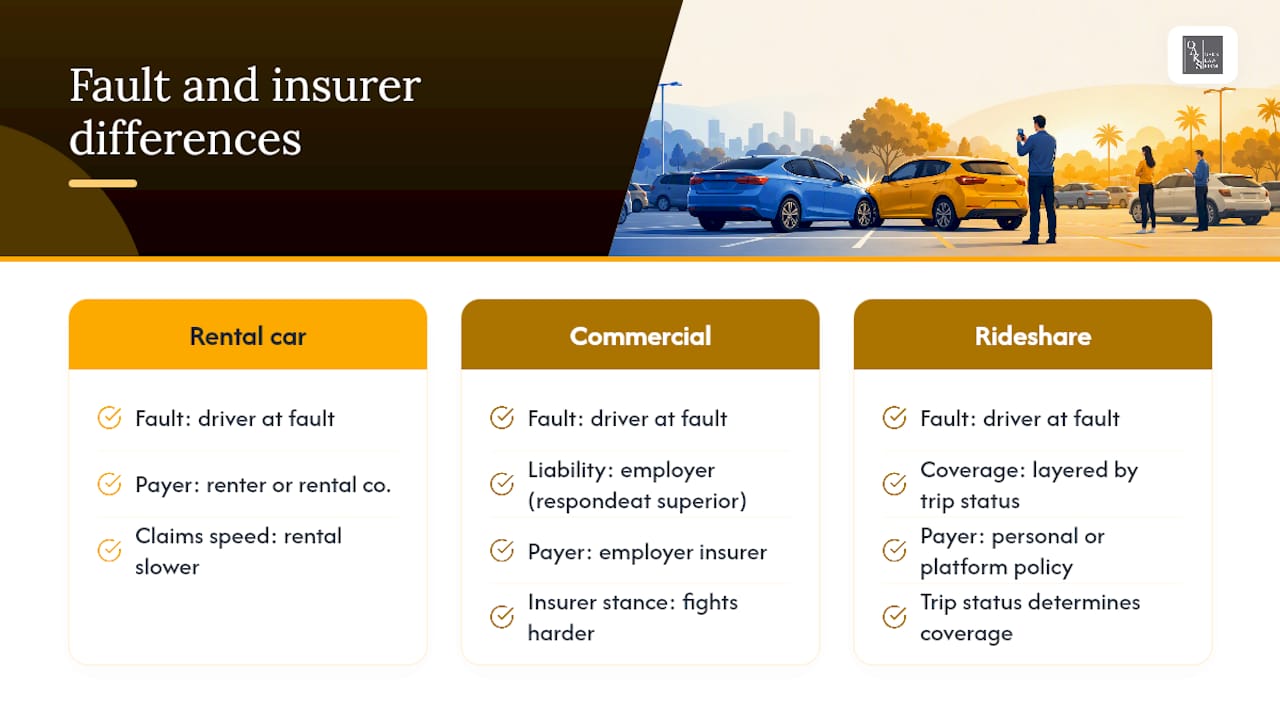
With a rental car, the driver’s own auto policy or the rental company’s supplemental coverage typically responds first, but the fault analysis itself doesn’t change. A renter backing out carelessly is still the backing driver at fault, regardless of whose name is on the registration. What changes is which insurer you’re negotiating with and how quickly they respond, rental company claims departments often move slower than a driver’s personal insurer.
Commercial vehicles, delivery vans, box trucks, ride-share cars, raise a different issue: employer liability. Under the legal doctrine of respondeat superior, an employer can be held responsible for a delivery driver’s carelessness in a lot if that driver was on the clock and acting within the scope of employment. That opens up a second, often better-funded avenue for recovery, but it also means the employer’s insurer will fight harder to shift blame back onto you.
Rideshare accidents follow their own layered coverage structure depending on whether the driver had a passenger, was en route to a pickup, or was between rides. Sorting out which policy applies, the driver’s personal policy or the rideshare company’s commercial coverage, is exactly the kind of tangle where getting the fault percentage right matters just as much as identifying who was negligent.
How Does Comparative Fault Change Your Insurance Payout?
Pure comparative fault doesn’t just affect a jury verdict, it directly shrinks or grows what an insurance adjuster offers to settle your claim before any lawsuit is even filed.
Say you’re rear-ended while backing out, but the investigation shows you’d been stopped mid-lane for several seconds before impact, arguably contributing to the crash.
This is exactly why insurers push hard to inflate your fault percentage during negotiations. Every point they add to your side directly reduces what they have to pay.
Parking lots make this fight harder because the physical evidence is often ambiguous by nature, low speeds, tight quarters, multiple vehicles moving at once. Adjusters know this, and they use that ambiguity to negotiate fault percentages down in their favor whenever the paper trail is thin.
What Insurance Coverage Applies to a California Parking Lot Accident?
Standard California liability coverage responds to parking lot crashes the same way it responds to any other collision, but a few coverage details matter more in this setting than on the open road.
Uninsured motorist coverage becomes critical in parking lots because hit-and-runs are common. A driver clips your bumper, sees no one around, and leaves. Without uninsured motorist coverage on your own policy, you may have no way to recover for injuries or vehicle damage from that driver at all. California doesn’t require drivers to carry uninsured motorist coverage, but declining it in writing is the only way to opt out, so most policies include it by default.
Liability limits matter more than most drivers realize until they’re in a lot with a luxury vehicle or a commercial truck. California’s minimum liability requirements are modest, and a driver carrying only the state minimum may not cover the full cost of a totaled vehicle or a significant injury claim, leaving a gap you’d need to pursue through the at-fault driver personally or through your own underinsured motorist coverage. Reviewing your own policy’s auto insurance liability limits before an accident, not after, is the only way to know where you actually stand.
A Note From Oaks Law Firm
We built this guide around the questions California clients actually ask us after a parking lot crash, not generic advice that ignores how these cases really get decided. Every case turns on its own facts, and outcomes vary, so nothing here replaces a conversation with an attorney about your specific situation.
— Matthew Nezhad
Get a Free Case Evaluation From Oaks Law Firm
This law firm limits the number of cases it takes on each year so clients get direct access to experienced attorneys instead of getting passed to a junior associate. That matters in a parking lot claim, where the fault percentage often hinges on evidence that disappears within days if nobody moves fast to preserve it.
Whether your crash involved a backing driver, a disputed pedestrian strike, or a property owner who ignored a known hazard, our car accident team reviews the fault analysis before an insurer locks in a lowball number. The firm works on a contingency fee basis, so you pay nothing unless we win, and case evaluations are free. If a property owner’s negligence contributed to your crash, our premises liability attorneys can evaluate that angle at the same time.
Bring what you have, photos, the police report if one exists, medical records, repair estimates, and any witness contact information, to your free case evaluation. Call Oaks Law Firm or request your free case evaluation online today to find out where your case actually stands.
This article is general information, not a substitute for advice from a qualified lawyer. Consult a qualified legal professional about your own circumstances before acting on anything here.
Sources
- Who is at fault for a parking-lot car accident? | Nolo
- Court of Appeal decision (Sakai v. Massco) — Justia
- California Vehicle Code (leginfo)
- Appellate opinion (certified for publication) — Justia PDF
FAQ
Is Hitting a Car in a Parking Lot Considered an Accident?
Yes. Any collision causing property damage or injury counts as an accident under California law, whether it happens on a public street or a private parking lot, and it should be reported to your insurer.
Do Police Respond to Parking Lot Accidents?
Often not, unless someone is injured or there’s a public safety concern, since most lots are private property. That makes your own photos, witness names, and any available surveillance footage the primary record of what happened.
Does a Parking Lot Accident Go on Your Driving Record?
It can, particularly if a citation was issued or if your insurer determines you were at fault, which may affect your premiums even without a police report on file.
Do I Have to Pay a Deductible if My Car Was Hit in a Parking Lot?
If the other driver is clearly at fault and their insurer accepts liability, you typically won’t pay a deductible under their policy. If fault is disputed or the other driver is uninsured, you may need to file through your own collision coverage and pay your deductible upfront, then seek reimbursement later.
This article provides general information about California personal injury law and does not constitute legal advice. Reading this article does not create an attorney-client relationship with Oaks Law Firm. Every case is different, and past results do not guarantee future outcomes. For advice about your specific situation, contact Oaks Law Firm for a free case evaluation.
