

The 3 Most Dangerous Cities for Pedestrians
Los Angeles, San Bernardino, and San Diego are the three most dangerous cities for pedestrians in Southern California, ranked by pedestrian fatality totals and road design factors that put walkers at serious risk every day. California records nearly 1,200 pedestrian fatalities annually, and LA County alone accounts for the highest raw totals in the state. The common thread across all three cities is not weather or population density. It is poor infrastructure: wide, high-speed arterial roads built for cars, not people. If you walk in any of these cities, knowing where the danger concentrates and why it exists can make a real difference to your safety.
Why Los Angeles is the most dangerous city for pedestrians in Southern California
Los Angeles leads California in total pedestrian deaths, and the reasons go well beyond sheer population size. The city’s road network is built around high-speed arterials that cut through dense residential neighborhoods, creating constant conflict between fast-moving vehicles and people on foot.
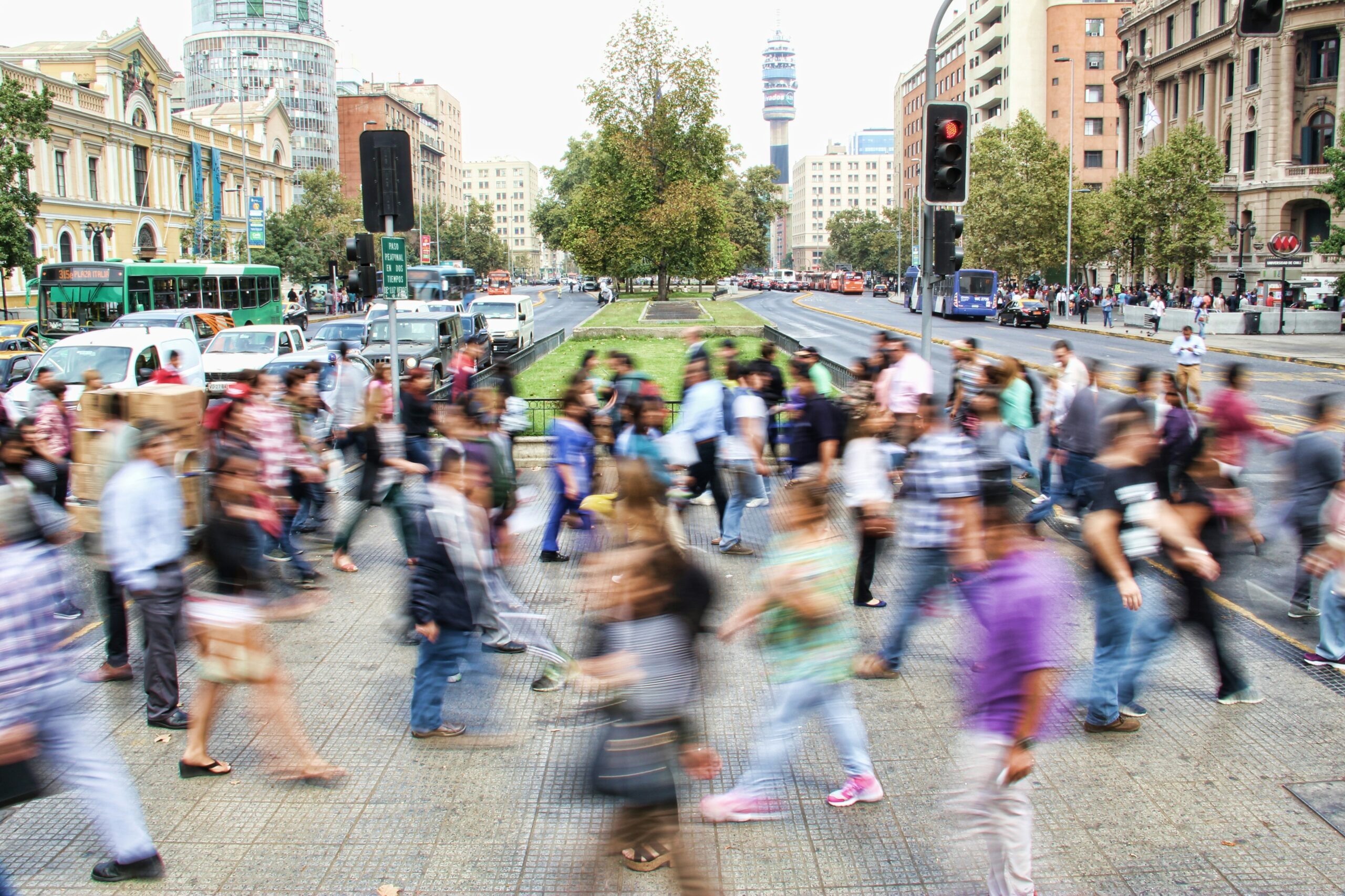
California’s statewide pedestrian fatality rate sits at 3.05 deaths per 100,000 residents, a figure that has risen by over 25% in five years. Los Angeles pushes that average higher. The city’s sprawl forces pedestrians onto commercial corridors that were never designed with safe walking in mind.
The most dangerous streets and intersections
Specific corridors in Los Angeles carry a disproportionate share of pedestrian crashes. South Figueroa Street and Slauson Avenue are among the most cited high-risk intersections in the city, where wide lanes, high vehicle speeds, and limited pedestrian refuge combine to create deadly conditions. These are not outliers. They represent a pattern repeated across South LA, the , and East LA.
21.7% of urban road segments in California are classified as higher risk for pedestrian crashes, and 22% of pedestrian fatalities happen at intersections. In Los Angeles, those numbers translate to thousands of dangerous crossing points spread across the city grid.
Key pedestrian hazards specific to Los Angeles include:
- Wide multi-lane arterials with speed limits of 40 mph or above, where drivers rarely slow for crosswalks
- Parked vehicles blocking sightlines at intersections, preventing drivers from seeing pedestrians before it is too late
- Long crossing distances on six and eight-lane roads that leave pedestrians exposed mid-street
- Inconsistent crosswalk markings on older streets that have not been updated to current safety standards
- Limited pedestrian signal timing that does not give walkers enough time to cross safely
California’s daylighting law, Assembly Bill 413, now bans parking within 20 feet of crosswalks to improve driver visibility. The law directly addresses one of the most common causes of pedestrian fatalities at LA intersections. Enforcement is active, but compliance is still uneven across the city.
Pro Tip: When crossing on a wide arterial in Los Angeles, wait until you can make direct eye contact with a driver before stepping off the curb. A green light does not mean a driver has seen you.
Law enforcement in LA has increased pedestrian safety patrols, particularly during Pedestrian Safety Month. Still, the volume of dangerous road segments means walkers cannot rely on enforcement alone to stay safe.
2. What makes San Bernardino a high-risk city for pedestrians?
San Bernardino County ranks among the most dangerous Southern California regions for pedestrians, driven by a specific combination of high-speed roads and limited pedestrian infrastructure. The city of San Bernardino itself concentrates many of these risks in a relatively compact urban area.
The core problem is road design. San Bernardino’s major commercial corridors, including stretches of Baseline Street, Highland Avenue, and Mt. Vernon Avenue, were built to move vehicles quickly between residential and commercial zones. They were not built to move people on foot safely.
Road design and crash patterns
California has 28,559 urban road segments signed at 40 mph or above. San Bernardino’s arterial network includes a significant share of these high-speed segments, and the crosswalk distances on these roads are long. A pedestrian crossing a six-lane road at 40 mph faces a much higher fatality risk than one crossing a two-lane residential street at 25 mph. The physics are simple: faster vehicles hit harder, and wider roads leave pedestrians exposed longer.
Specific pedestrian hazards in San Bernardino include:
- Long crosswalk distances on wide commercial arterials with no pedestrian refuge islands
- High vehicle speeds on roads where 40 mph limits are routinely exceeded
- Limited lighting on key pedestrian corridors, increasing nighttime risk
- Sparse sidewalk coverage in some residential areas that forces pedestrians onto road shoulders
- Intersection designs that prioritize vehicle throughput over pedestrian crossing time
Pedestrian behavior also plays a role. Urban dwellers often underestimate the danger of arterial roads designed for fast traffic, even when they live directly adjacent to them. A road that looks familiar can still be lethal at the wrong moment.
Law enforcement in San Bernardino has worked to increase crosswalk compliance, but the structural problems require infrastructure investment, not just citations. Until road redesigns happen, pedestrians in San Bernardino need to treat every arterial crossing as a high-stakes situation.
3. Why San Diego ranks among the most dangerous cities for pedestrians
San Diego presents a different pedestrian risk profile than Los Angeles or San Bernardino. The city combines heavy commuter traffic with a large tourist population, creating unpredictable pedestrian volumes at intersections that were not designed for that level of foot traffic.
San Diego’s coastal geography also concentrates pedestrian activity along specific corridors near beaches, transit hubs, and downtown. Those corridors overlap with some of the city’s busiest vehicle routes, producing a collision between pedestrian demand and vehicle speed.
High-risk areas and contributing factors
Downtown San Diego, Mission Valley, and the areas surrounding major transit stations see the highest pedestrian crash concentrations. Wide arterials like El Cajon Boulevard and University Avenue carry fast-moving traffic through dense neighborhoods where pedestrians cross frequently.
Key risk factors in San Diego include:
- Tourist and commuter traffic mixing at intersections near Balboa Park, the Gaslamp Quarter, and Mission Bay
- High-speed roads cutting through walkable neighborhoods, creating dangerous crossing points with limited signal protection
- Inconsistent enforcement of crosswalk laws in areas with high pedestrian volumes
- Road segments at 40 mph or above that border residential zones with no physical separation from foot traffic
Risk clusters around high-speed streets that separate residential from commercial areas. San Diego has many of these transition zones, and they account for a disproportionate share of pedestrian fatalities in the city.
Pro Tip: In San Diego’s tourist-heavy areas, be especially cautious at unsignalized crosswalks. Drivers unfamiliar with local streets are less likely to yield, even where the law requires it.
San Diego has invested in some pedestrian safety improvements, including upgraded signal timing and new crosswalk markings in high-risk corridors. Those improvements help, but they cover only a fraction of the city’s dangerous road network. Pedestrians in San Diego still need to walk defensively.
4. How pedestrians can reduce their risk in high-danger Southern California cities
The most effective way to reduce pedestrian risk in Southern California is to avoid high-speed arterial roads whenever possible. Pedestrian fatality risk clusters on wide, fast roads, and walking routes that prioritize side streets and lower-speed environments can markedly reduce danger.
Route planning is not just a convenience. It is a safety decision. A two-block detour onto a residential street with a 25 mph speed limit and light traffic is meaningfully safer than crossing a six-lane arterial at a poorly marked intersection.
Here are practical steps to reduce your risk while walking in Southern California:
- Choose residential side streets over commercial arterials. Slower speeds and lighter traffic reduce both crash frequency and crash severity.
- Use signalized crosswalks only. Unsignalized mid-block crossings on arterials are among the most dangerous crossing points in California cities.
- Know the daylighting law. Assembly Bill 413 requires 20 feet of clear space before crosswalks. If parked vehicles block your view, wait until you can see oncoming traffic clearly before stepping out.
- Walk on urban trails when available. The Glendale Narrows Riverwalk offers a separated pedestrian path along the LA River, completely removed from arterial traffic. The Santa Ana River Trail serves a similar function in the Inland Empire.
- Avoid walking at dusk and after dark on arterials. Nighttime pedestrian fatalities are disproportionately high on roads with poor lighting.
- Make yourself visible. Wear light-colored or reflective clothing, especially in the evening.
- Check for crosswalk safety resources in your neighborhood. Community-led safety initiatives in Los Angeles have produced real improvements at specific intersections.
Law enforcement agencies discussing Assembly Bill 413 have emphasized that pedestrian right-of-way offers little protection when parked vehicles block drivers’ views near intersections visibility is the first line of defense at every crosswalk, and that is precisely the problem the daylighting law was written to address.
For cyclists and pedestrians who want additional safety guidance, summer safety resources from Charity Miles cover California-specific regulations and practical tips for navigating urban roads.
Key takeaways
Los Angeles, San Bernardino, and San Diego are the three most dangerous cities for pedestrians in Southern California because their high-speed arterial road networks create deadly conditions that infrastructure investment and enforcement have not yet fully addressed.
| Point | Details |
|---|---|
| Los Angeles leads in fatalities | LA County has the highest raw pedestrian death totals in California, driven by wide arterials and dangerous intersections. |
| San Bernardino’s road design is the core problem | Long crosswalk distances and 40+ mph speed limits on commercial corridors create severe crash risk. |
| San Diego mixes commuter and tourist traffic | Unpredictable pedestrian volumes at high-speed intersections make San Diego’s risk profile distinct. |
| Daylighting law improves intersection safety | Assembly Bill 413 bans parking within 20 feet of crosswalks to improve driver visibility. |
| Route planning reduces risk significantly | Choosing residential side streets over arterials is the single most effective safety decision a pedestrian can make. |
Injured in a pedestrian accident? Oaks Law Firm can help
Pedestrian accidents in Los Angeles, San Bernardino, and San Diego often involve serious injuries and complex liability questions. Knowing which driver, property owner, or government entity bears responsibility requires experienced legal analysis.
Oaks Law Firm has represented pedestrian accident victims throughout Southern California since 2002. Attorney Matthew Nezhad and his team handle cases involving crosswalk accidents, wrongful death, and injuries caused by negligent drivers. If you or a family member was injured while walking, you may have the right to pursue compensation for medical bills, lost income, and pain and suffering. California’s general statute of limitations under Code of Civil Procedure § 335.1 gives most injury victims two years from the date of injury to file a claim, and a much shorter deadline applies when a public entity is involved: under the California Government Claims Act (Government Code § 911.2), a formal written claim must generally be presented within six months of the incident, before any lawsuit can even be filed. Because exceptions and shorter deadlines exist, confirm the deadline that applies to your specific situation with an attorney as soon as possible. Learn how to file a personal injury lawsuit in Los Angeles, or explore your options for wrongful death claims if a family member did not survive. Contact Oaks Law Firm for a free case evaluation specific to your situation.
This article is provided for general informational purposes only and does not constitute legal advice. The information presented may not reflect the most current legal developments and should not be relied upon as a substitute for consultation with a licensed attorney. Every personal injury case involves unique facts and circumstances, and the outcome of any case depends entirely on those specific facts. Any results, settlement amounts, or verdicts referenced in this content are specific to the individual cases described, are not typical, and do not guarantee, promise, or predict a similar outcome in your case. Reading this content does not create an attorney-client relationship with Oaks Law Firm. Contact us directly for a consultation specific to your situation.
FAQ
What are the most dangerous cities for pedestrians in Southern California?
Los Angeles, San Bernardino, and San Diego rank as the most dangerous cities for pedestrians in Southern California. All three cities feature high-speed arterial roads, heavy traffic volumes, and infrastructure gaps that increase pedestrian fatality risk.
Why does California have so many pedestrian deaths?
California records nearly 1,200 pedestrian fatalities annually, among the highest raw totals in the country. Experts attribute this to poor infrastructure investment and inadequate speed enforcement rather than weather or population density alone.
What is the daylighting law in California?
Assembly Bill 413 bans parking within 20 feet of crosswalks to improve driver visibility at intersections. Statewide enforcement is now underway to reduce pedestrian fatalities at intersection crossings.
How can I stay safer while walking in Los Angeles or San Diego?
Choose residential side streets over high-speed commercial arterials, use only signalized crosswalks, and make yourself visible to drivers, especially after dark. Avoid crossing at unsignalized mid-block locations on roads with 40 mph or higher speed limits.
What should I do if I am hit by a car while walking in California?
Seek medical attention immediately, document the scene if you are able, and contact a personal injury attorney as soon as possible. California’s two-year statute of limitations under Code of Civil Procedure § 335.1 applies to most pedestrian injury claims, but the deadline is significantly shorter if a government entity is involved, so confirm your specific deadline with an attorney promptly.
