
Two Cars Overturn on the 405 Freeway on L.A.’s Westside: Why “I Feel Fine” After a Crash Can Be Misleading
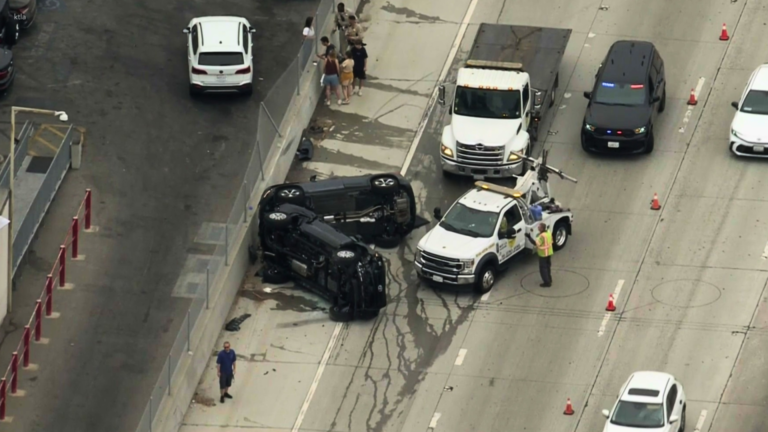
Two vehicles overturned in a crash on the northbound 405 Freeway near Santa Monica Boulevard Thursday morning, prompting a large emergency response and a SigAlert that closed several lanes and snarled the Westside commute. As reported by KTLA, the collision was reported shortly before 7:30 a.m., and it was not immediately clear whether anyone was seriously hurt — the California Highway Patrol noted that at least one person involved declined transportation to a hospital. That detail is worth pausing on. Declining an ambulance at the scene is common after a frightening crash, but it can have real consequences for a person’s health and for any later insurance claim. This article explains how California law treats rollover crashes on busy freeways like the 405, and why what you do in the hours and days after a crash matters.
Why Do Vehicles Overturn on Freeways Like the 405?
A vehicle can overturn even at moderate speeds when the right combination of factors comes together: an abrupt lane change or collision that trips the vehicle sideways, contact with a barrier or another car, uneven braking in dense traffic, or a higher center of gravity in SUVs and trucks. On a corridor as congested as the 405, sudden slowdowns and close following distances leave little margin for error, and a chain reaction between two or more vehicles can end with one or both on their roof or side.
When a crash involves multiple vehicles, as this one did, sorting out how it unfolded — who moved first, who struck whom, and at what speed — becomes the central question. Intersection and multi-vehicle collisions share this feature: the sequence of events is often disputed, and the physical evidence tells the story better than anyone’s first impression.
I Declined the Ambulance Was That a Mistake?
Not necessarily, but it calls for caution afterward. Adrenaline after a crash can mask pain, and some of the most common crash injuries — soft-tissue damage, whiplash, concussions, and even internal injuries — may not produce clear symptoms for hours or days. Rollover crashes in particular subject occupants to forces that can cause harm that isn’t obvious at the scene.
If you declined transport and later feel pain, stiffness, headaches, dizziness, numbness, or anything else out of the ordinary, see a doctor promptly. From a legal standpoint, a gap between the crash and the first medical visit is one of the first things an insurance company will point to when questioning whether an injury is real or crash-related. Getting checked out protects your health first and your claim second, and careful documentation of your injuries helps with both.
Who Can Be Held Responsible in a Multi-Vehicle Rollover?
Responsibility depends on the specific facts. Depending on what an investigation shows, potentially responsible parties can include a driver who made an unsafe lane change, followed too closely, or was speeding or distracted; an employer, if a work vehicle was involved; or, less commonly, a manufacturer if a vehicle or tire defect contributed to the loss of control or the rollover itself. California’s pure comparative negligence rule means fault can be shared among several parties, and an injured person’s recovery is reduced by their own percentage of fault rather than barred entirely — so an early assumption about blame is not the final word.
A car accident lawyer can help evaluate how these questions apply to a specific crash, including a rollover, where the mechanics of how the vehicle tipped are often key.
What Should I Do in the Days After a Crash Like This?
The most useful steps are simple. Get medical attention, even if you initially felt fine. Request the CHP accident report and keep the report number. Photograph your vehicle before it is repaired, and keep records of every expense and every communication. Be careful when dealing with insurance companies — early recorded statements and quick settlement offers tend to come before the full extent of injuries is known, and accepting a generally closes the claim even if symptoms worsen later.
Evidence also fades quickly on a freeway: debris is cleared, camera footage can be overwritten within days, and vehicles get repaired or salvaged. Preserving what you can early keeps your options open.
How Long Do I Have to File a Claim in California?
For most California personal injury claims, the general statute of limitations is two years from the date of injury under Code of Civil Procedure § 335.1, and understanding how filing a lawsuit works helps put that deadline in context. A much shorter deadline can apply if a government entity may share responsibility — for example, if a dangerous roadway condition contributed — in which case the California Government Claims Act (Government Code § 911.2) generally requires a formal written claim within six months of the incident. Deadlines vary with the facts, so confirm yours with an attorney rather than assuming the general rule applies.
How Oaks Law Firm Can Help
At Oaks Law Firm, we help people injured in freeway crashes across Los Angeles and throughout California understand their rights — including in crashes where injuries only became apparent after the fact. Every situation is different, and the right path depends on the specific facts. Contingency fee arrangements, which relate to attorney’s fees, may be available and can be discussed during a consultation; case costs and expenses may be handled separately.
To speak with us about your situation, request a free case evaluation or contact Oaks Law Firm for a consultation specific to your circumstances.
Oaks Law Firm — Office Locations Why Us? Because We Listen!™
This article is provided for general informational purposes only and does not constitute legal advice. The information presented may not reflect the most current legal developments and should not be relied upon as a substitute for consultation with a licensed attorney. Every personal injury case involves unique facts and circumstances, and the outcome of any case depends entirely on those specific facts. Any results, settlement amounts, or verdicts referenced in this content are specific to the individual cases described, are not typical, and do not guarantee, promise, or predict a similar outcome in your case. Reading this content does not create an attorney-client relationship with Oaks Law Firm. Contact us directly for a consultation specific to your situation.
