
Los Angeles Is Rolling Out 125 Speed Cameras: What California’s AB 645 Program Means for Drivers and Crash Victims
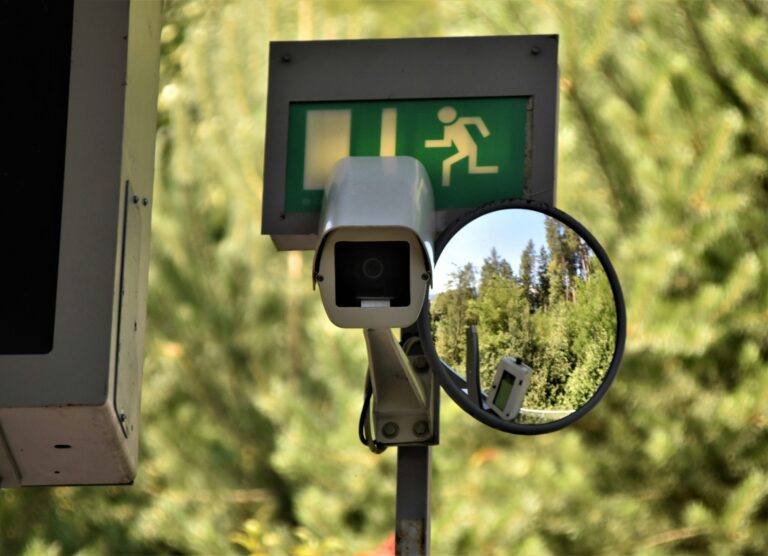
Los Angeles is launching the largest automated speed enforcement program in California, and every driver in the city should understand how it works before citations begin. Authorized by state law AB 645, the program identifies 125 specific locations for speed safety cameras, placed where speeding and crashes happen most often and where there are high concentrations of children, seniors, and other vulnerable people, with each city district getting eight or nine cameras. The stakes behind the program are sobering: according to Los Angeles Police Department data reported by ABC7, 290 people died in traffic incidents in the city in 2025 — more traffic-related deaths than homicides.
Here is what Los Angeles drivers, and anyone hurt by a speeding driver, should know.
How Do the LA Speed Cameras Work?
The cameras read the rear license plates of vehicles traveling 11 miles per hour or more over the posted speed limit, and that data is used to issue civil speeding violations mailed to the vehicle’s registered owner. According to the Los Angeles Department of Transportation, speed limit and “photo enforced” signs will be installed at all camera locations, and the systems can only capture still images under the program’s privacy rules.
Fine amounts are set by state law and scale with speed: they start at $50 for driving 11 to 15 mph over the limit, rise to $100 and then $200 at higher speeds, and reach $500 for speeds of 100 mph or more.
Is There a Warning Period Before Tickets Start?
Yes. According to LADOT, a 60-day warning period applies at the start of enforcement — both when the program first launches and whenever new speed safety systems are activated on additional streets. During that period, drivers speeding at least 11 mph over the limit receive warning notices rather than fines; after the 60 days, citations begin. Based on the city’s timeline, the rollout is underway in late summer and fall of 2026, with monetary citations expected to follow the warning phase later in the year. First-time violators receive warnings throughout the pilot.
Will a Camera Ticket Affect My License or Insurance?
Under AB 645, these are civil citations, not moving violations they do not add points to a driver’s license, and a civil penalty of this kind is handled differently from a police-issued speeding ticket. That said, unpaid citations can still have consequences, and program rules can evolve, so drivers with questions about a specific citation should confirm the current details with the city rather than rely on general summaries.
Why Does This Program Matter Beyond Tickets?
Because the corridors getting cameras are, by the city’s own selection criteria, the streets where serious crashes concentrate. Speeding is one of the clearest forms of driver negligence under California law: a speeding driver has less time to react, needs more distance to stop, and causes far greater harm in any collision. For people hurt in speed-related crashes — and for pedestrians, who are the most vulnerable people on these corridors establishing how fast a driver was traveling is often the central question in a claim. Speed leaves evidence: vehicle event data, camera footage, physical marks at the scene, and witness accounts. Preserving that evidence quickly matters, because much of it disappears within days, and the official accident report is usually only the starting point.
California’s pure comparative negligence rule also means fault in a speed-related crash can be shared among multiple parties, with each responsible for their proportion — so early assumptions about blame, in either direction, are not the final word.
What Deadlines Apply After a Speed-Related Crash?
For most California personal injury and wrongful death claims, the general statute of limitations is two years from the date of injury under Code of Civil Procedure § 335.1, and it helps to understand how filing a lawsuit works well before then. A much shorter deadline can apply when a government entity may share responsibility — for example, where a dangerous roadway condition contributed to a crash in which case the California Government Claims Act (Government Code § 911.2) generally requires a formal written claim within six months of the incident. Deadlines depend on the facts and parties involved, so anyone affected should confirm theirs with an attorney rather than assume the general rules apply.
Oaks Law Firm | California | OaksLawFirm.com | (877) 539-5366 Why Us? Because We Listen!™
This article is provided for general informational purposes only and does not constitute legal advice. The information presented may not reflect the most current legal developments and should not be relied upon as a substitute for consultation with a licensed attorney. Every personal injury case involves unique facts and circumstances, and the outcome of any case depends entirely on those specific facts. Any results, settlement amounts, or verdicts referenced in this content are specific to the individual cases described, are not typical, and do not guarantee, promise, or predict a similar outcome in your case. Reading this content does not create an attorney-client relationship with Oaks Law Firm. Contact us directly for a consultation specific to your situation.
