
Alleged DUI Crash on the 215 Freeway Kills 15-Year-Old Passenger: What California Law Says for Families After an Impaired Driving Tragedy
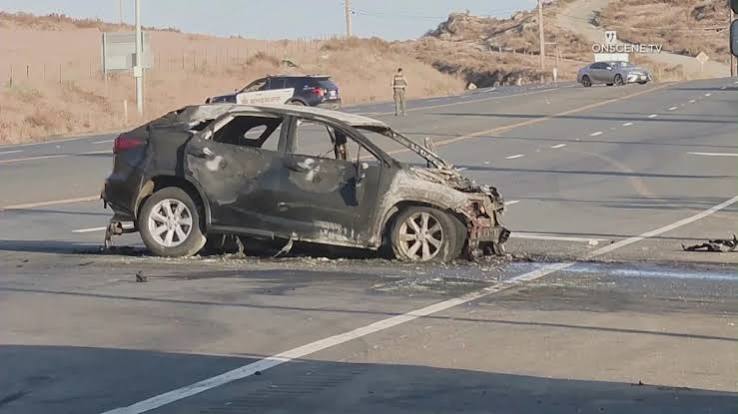
A 15-year-old passenger was killed in a multi-vehicle crash on the 215 Freeway in Riverside over the weekend, and the driver of the vehicle was arrested on suspicion of felony driving under the influence of alcohol. As reported by CBS Los Angeles, the California Highway Patrol said officers were called to the southbound lanes near Cactus Avenue around 3:35 a.m. According to the CHP’s preliminary investigation, a BMW traveling at a high rate of speed struck the rear of a GMC pickup towing a trailer carrying an all-terrain vehicle; the BMW and the ATV overturned, and the BMW came to rest across the divide in the northbound lanes. The teenage passenger was pronounced dead at the scene. The driver and two other passengers were taken to a hospital with minor injuries, and the pickup’s driver was unhurt. The arrest reflects allegations, and the driver is presumed innocent unless and until proven guilty.
For a family that has lost a child, no legal process can touch the grief. But families in this situation often have urgent, practical questions about their rights, and California law answers some of them in ways that are not widely understood. This article explains how the law treats crashes involving alleged impaired driving, including a question many families are afraid to ask: what happens when the person killed was a passenger in the impaired driver’s own car?
Can a Family Bring a Claim When Their Loved One Was a Passenger of the Impaired Driver?
Generally, yes. A passenger is almost never responsible for how a vehicle is driven, and California law does not bar a claim simply because the person who died was riding in the at-fault driver’s car. A wrongful death claim under Code of Civil Procedure § 377.60 belongs to the surviving family, typically the parents when the person killed was an unmarried minor, and it can be brought against the driver whose conduct caused the death, ordinarily through that driver’s insurance. This is true even when the driver and the passenger knew each other, and even when they were friends or family. Injured passengers have the same right to bring passenger injury claims regardless of their relationship to the driver.
Depending on the facts, other parties can also come into the picture. In some circumstances, California law extends responsibility beyond the driver, for example to a vehicle’s owner who entrusted it to an unfit driver, or, in the specific situations covered by California’s social host and licensee rules, to a party that furnished alcohol to an obviously intoxicated minor. Whether any of these applies depends entirely on facts an investigation would need to establish.
How Do the Criminal DUI Case and the Family’s Civil Claim Relate?
They are separate tracks. The criminal case, here, the felony DUI arrest announced by the CHP, is brought by the government to punish conduct. The family does not control it, and its outcome does not compensate them. The family’s civil claim is their own, it proceeds independently, and it is decided on a lower standard of proof: a civil claim requires only a preponderance of the evidence, not proof beyond a reasonable doubt. That means the civil claim does not rise or fall with the criminal case, although evidence developed in the criminal investigation, such as toxicology results, speed data, and reconstruction findings, often matters greatly on the civil side. Where impairment is established, conduct showing a conscious disregard for others’ safety can also open the door to remedies beyond ordinary compensation in a civil case.
One point families are often surprised by: the civil filing deadline keeps running while the criminal case proceeds. Criminal prosecutions can take years, and waiting for a verdict before protecting civil rights can cost a family their claim.
How Long Does a Family Have to File?
For most California wrongful death claims, the general statute of limitations is two years from the date of death under Code of Civil Procedure § 335.1, and it helps to understand how filing a lawsuit works well before then. A much shorter deadline applies if a government entity may share responsibility, for example if a dangerous roadway condition contributed, in which case the California Government Claims Act (Government Code § 911.2) generally requires a formal written claim within six months. Deadlines shift with the facts and the parties, so families should confirm theirs with an attorney rather than assume the general rule covers them.
Why Does Early Action Matter Even With a Criminal Case Underway?
Because the evidence that matters most does not wait. Vehicle event data recording speed and braking in the final seconds, the vehicles themselves before they are salvaged, roadway evidence, and witness memories all degrade quickly, and in a crash spanning both directions of a freeway, reconstruction depends on preserving that record early. The CHP’s investigation serves the criminal case; a family’s civil claim benefits from its own preservation efforts, beginning with the official accident report and extending to preservation demands for vehicle data. Families should also be careful when dealing with insurance companies in the early days, before the full picture is established, since multiple insurers may be involved and early statements can follow a claim.
What Should a Grieving Family Do?
Nothing about this process should be rushed while a family is in shock, and the first priority is caring for one another. When the family feels ready, the practical steps are modest: keep the CHP report number and every document received, note the investigating officer’s contact information, preserve any medical and funeral records, and speak with an attorney about protecting evidence and deadlines. A consultation commits a family to nothing. It simply ensures that decisions made in the hardest weeks of their lives do not close doors they may later wish had stayed open.
How Oaks Law Firm Can Help
At Oaks Law Firm, we help grieving families across Riverside County, the Inland Empire, and throughout California understand their civil rights after fatal crashes, including crashes involving alleged impaired driving that are also the subject of criminal prosecution. Every situation is different, and the right path depends on the specific facts. Contingency fee arrangements, which relate to attorney’s fees, may be available and can be discussed during a consultation; case costs and expenses may be handled separately.
To speak with us about your situation, request a free case evaluation or contact Oaks Law Firm for a consultation specific to your circumstances.
Oaks Law Firm , California: Why Us? Because We Listen!™
This article is provided for general informational purposes only and does not constitute legal advice. The information presented may not reflect the most current legal developments and should not be relied upon as a substitute for consultation with a licensed attorney. Every personal injury case involves unique facts and circumstances, and the outcome of any case depends entirely on those specific facts. Any results, settlement amounts, or verdicts referenced in this content are specific to the individual cases described, are not typical, and do not guarantee, promise, or predict a similar outcome in your case. Reading this content does not create an attorney-client relationship with Oaks Law Firm. Contact us directly for a consultation specific to your situation.
