
A failing chemical tank at the GKN Aerospace plant in Garden Grove has forced tens of thousands of Orange County residents from their homes and triggered a state of emergency. If you were evacuated, exposed, or had your home or business disrupted, you may have legal rights. Here is what you need to know.
Published May 25, 2026 · Last updated May 25, 2026
For the better part of a week, a single industrial storage tank in a Garden Grove parking lot has held a wide swath of Orange County in suspense. The tank, located at the GKN Aerospace facility on Western Avenue, holds methyl methacrylate—a toxic, highly flammable liquid used to manufacture acrylic plastics—and it has been overheating in a way that emergency crews have, at times, been unable to control. At the height of the crisis, authorities ordered roughly 40,000 to 50,000 people to leave their homes across Garden Grove, Westminster, Stanton, Anaheim, and parts of neighboring communities, and Governor Gavin Newsom declared a state of emergency for the county.
For the families who packed a bag and spent nights in a shelter or a relative’s spare room, and for the small-business owners who watched their storefronts sit inside a sealed evacuation zone, the questions are immediate and practical: Who is responsible? Will anyone cover what this cost me? What happens if I or my children were exposed to something harmful? This guide answers those questions in plain language, explains how California law treats chemical incidents like this one, and outlines the steps you can take now to protect your rights.
What Happened at the GKN Aerospace Facility in Garden Grove
According to emergency officials and extensive coverage from outlets including FOX 11 Los Angeles and NPR, the incident began in the late afternoon of Thursday, May 21, 2026, at the GKN Aerospace Transparency Systems plant at 12122 Western Avenue. A 34,000-gallon storage tank—holding roughly 7,000 gallons of methyl methacrylate, one of three tanks at the site—began to overheat. As internal temperatures climbed, the tank started venting vapor and automatically triggered its pressure-relief valve and sprinkler system.
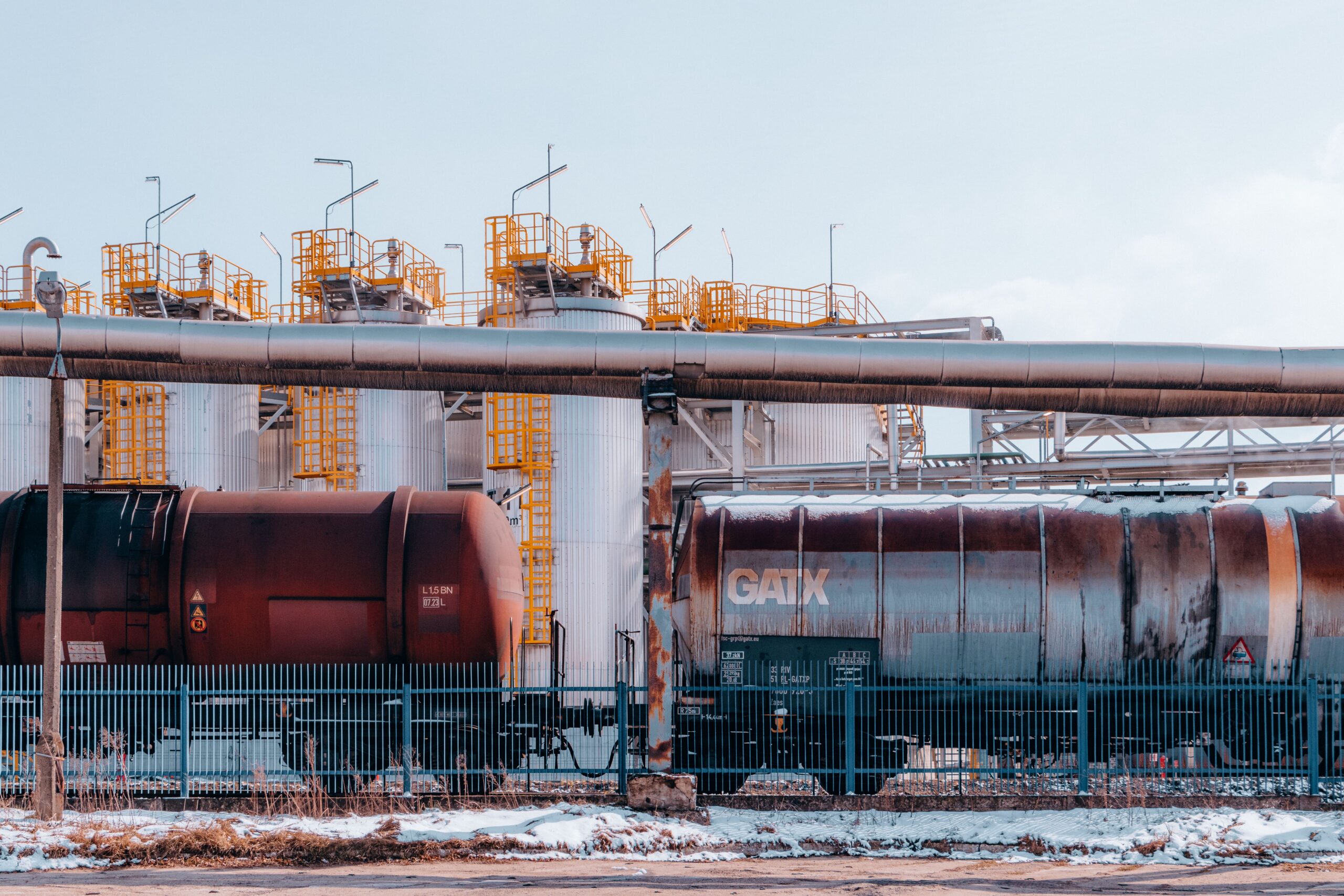
What made this ordinary-sounding equipment failure so dangerous was a complication crews could not solve. Orange County Fire Authority Division Chief Craig Covey explained that a faulty valve blocked responders from accessing the tank, off-loading the chemical, or pumping in a stabilizer to neutralize it. With the standard mitigation tools off the table, officials warned the public that the tank had reached a point where only two outcomes remained likely: it would either rupture and spill thousands of gallons of toxic liquid into the surrounding area, or undergo a “thermal runaway” and explode. As reported by CBS News, a chemistry expert noted that because the substance generates heat on its own, even a small spark near a leak could ignite an uncontrolled fire.
Crews built sandbag containment barriers and diking to keep any spilled chemical out of storm drains, river channels, and ultimately the ocean, where a release could cause an environmental disaster. Air quality has been monitored continuously by personnel and drone teams, and officials have repeatedly stated that readings remained within healthy limits with no active toxic plume. As of the latest public updates, firefighters reported discovering a crack in the tank that may have been relieving internal pressure, and they launched an overnight operation to confirm whether the threat of a catastrophic explosion had been eliminated. Critically, no injuries or deaths had been reported at the time of writing—a outcome officials credited to early, aggressive evacuations.
A Timeline of the Garden Grove Chemical Emergency
- Thursday, May 21 — ~3:30 p.m.Crews respond to the overheating tank as it vents vapor and trips its safety systems. Initial evacuations are ordered.
- Thursday nightAfter hours of cooling the tank with water, crews believe they are making progress and evacuation orders are temporarily lifted.
- Friday, May 22 — pre-dawnThe tank’s condition worsens. Evacuation orders are reinstated and then expanded to a roughly one-mile radius spanning multiple cities.
- Friday middayUnified command announces the tank cannot be mechanically secured, leaving a leak or explosion as the only expected outcomes.
- Saturday, May 23Governor Newsom proclaims a state of emergency in Orange County; tens of thousands remain displaced over the holiday weekend.
- Late Saturday into SundayA reconnaissance team identifies a possible crack in the tank that may be relieving pressure; an overnight operation is planned to confirm the explosion threat is gone.
What Is Methyl Methacrylate (MMA)?
Methyl methacrylate—usually shortened to MMA—is a clear, colorless liquid with a sharp odor. It is a foundational ingredient in the production of acrylic plastics, resins, adhesives, and coatings, and it is used widely in manufacturing, including the aerospace components made at the Garden Grove site. The chemical is volatile and highly flammable, and it reacts exothermically, meaning it can release energy and generate its own heat. When that reaction happens inside a sealed container, pressure can build rapidly—turning a storage tank into a potential explosive, which is precisely the scenario that put Orange County on edge.
Because MMA vapor is heavier than air, a release tends to sink and settle close to the ground rather than dispersing upward, which can prolong exposure in low-lying areas. For a general overview of the chemical’s properties and hazards, the U.S. Environmental Protection Agency maintains a hazardous air pollutants resource that includes methyl methacrylate.
Health Risks of Methyl Methacrylate Exposure
Public-health officials have been candid about the chemical’s risks. Orange County Health Officer Dr. Regina Chinsio-Kwong described MMA as very toxic and warned that, based on animal studies, it can significantly affect humans. According to health experts cited across local coverage and EPA guidance, exposure can cause:
- Respiratory irritation—chest tightness, coughing, wheezing, sore throat, and a runny nose;
- Eye and skin irritation—burning, itching, and redness;
- Neurological symptoms—headache, dizziness, lethargy, and nausea; and
- Longer-term harm—with higher or repeated exposure, doctors have warned of potential lung and other organ damage.
An important point for anyone in the evacuation zone: harmful exposure does not always announce itself immediately. Symptoms can be mistaken for a cold, allergies, or fatigue, and some effects of toxic exposure can take time to surface. That is one reason it is so important to seek a medical evaluation if you experienced any unusual symptoms—both for your health and to create a contemporaneous record should you later need to document harm.
Who May Have a Legal Claim After the Garden Grove Chemical Incident?
One of the most common misconceptions after an event like this is that only people who were physically hospitalized can pursue compensation. In reality, California law recognizes a much broader range of harms. Depending on the facts, the following groups may have a claim:
- Evacuated residents who incurred costs and disruption—hotel and lodging bills, restaurant meals, spoiled groceries, lost wages from missed work, childcare, pet boarding, and the upheaval of being displaced from home.
- People exposed to vapor or fumes who experienced respiratory, eye, skin, or neurological symptoms, even if those symptoms seemed minor at first.
- Local business owners forced to close during the evacuation, who lost revenue, spoiled inventory, or missed contractual obligations—a category often described as business-interruption loss.
- Property owners whose homes or commercial buildings sustained contamination or damage, or who face diminished value or remediation costs if a release occurs.
- Workers and first responders who may have been exposed in the course of the response or their employment.
- Especially vulnerable individuals—children, the elderly, pregnant people, and those with asthma or other respiratory conditions—for whom even limited exposure can carry heightened risk.
Whether any individual ultimately has a viable claim depends on the specific facts, the evidence available, and how the incident is finally resolved. That is exactly the kind of question a free case evaluation is designed to answer.
Your Legal Rights Under California Law
When a company stores hazardous chemicals near homes and schools, the law expects it to do so safely. California provides several legal avenues for people harmed when that duty is breached. The right path depends on the circumstances, and more than one may apply.
Negligence and Toxic Tort Claims
The most direct theory is negligence. To prevail, an injured person generally must show that the company owed a duty to handle the chemical with reasonable care, that it failed to do so, and that the failure caused harm. A “toxic tort” is simply a negligence-style claim arising from exposure to a dangerous substance. In incidents involving equipment failure—such as a tank that overheated and a valve that did not function—the central questions become what the company knew, how it maintained and inspected its equipment, and whether it followed applicable safety regulations. California also recognizes the related doctrine of ultrahazardous activity, which can impose liability for inherently dangerous operations regardless of how carefully they were conducted.
Property Damage and Business Interruption
Claims are not limited to bodily injury. If a chemical release contaminates property or forces a business to suspend operations, California law allows recovery for property damage, cleanup and remediation costs, and lost business income. A nuisance claim—based on a substantial and unreasonable interference with the use and enjoyment of your property—may also apply to residents and businesses forced out of an area by toxic conditions.
Mass Tort and Class Action Litigation
When a single event harms a large number of people, those cases are often handled together as a mass tort or, in some circumstances, a class action. Reporting on the Garden Grove incident has already noted litigation beginning, including a class-action filing. Coordinating claims this way can level the playing field against a large corporation and its insurers, while still allowing individuals to recover for their own specific losses. It also tends to streamline the discovery process—the formal exchange of evidence—which is where critical facts about maintenance, inspections, and prior warnings typically come to light.
What Compensation May Be Available?
Every case is different, and no attorney can promise a specific outcome. That said, California personal injury and toxic exposure claims commonly seek both economic and non-economic damages, which may include:
- Medical expenses, including evaluation, treatment, and any future monitoring for delayed health effects;
- Lost income and lost earning capacity for time missed during and after the evacuation;
- Evacuation and relocation costs—lodging, meals, transportation, and related out-of-pocket expenses;
- Property damage and remediation for contamination or physical harm to a home or business;
- Business losses for revenue and inventory lost during a forced closure; and
- Pain, suffering, and emotional distress, including the anxiety of being displaced and the fear that accompanies a potential toxic exposure.
In cases where a company’s conduct is found to be especially reckless, California law also permits punitive damages, which are designed to punish wrongdoing and deter it in the future.
Were you evacuated or exposed in Garden Grove?
Oaks Law Firm offers a free, confidential case evaluation to residents, families, and business owners affected by the GKN Aerospace incident. There are no upfront costs, and you owe no fee unless we recover for you.
Call (877)539-5366 or Start Your Free Case Review
GKN Aerospace’s Environmental Record
A company’s history can matter in a negligence case. According to reporting on the incident, GKN Aerospace paid approximately $900,000 in 2021 to settle multiple environmental violations, which reportedly included failing to keep required emissions records and operating equipment without a permit, as documented by air-quality regulators. While a prior settlement is not proof of fault in the current incident, a documented pattern of compliance problems is the kind of evidence attorneys examine closely when evaluating whether a company exercised reasonable care. The cause of the tank overheating itself was still under investigation as of the publication date, and establishing that cause will be central to any claim.
What to Do If You Were Affected by the Garden Grove Chemical Leak
The steps you take in the days after an incident like this can have a real impact on your health and on any future claim. If you were evacuated, exposed, or otherwise harmed, consider the following:
- Prioritize your health. If you experienced symptoms—coughing, eye or throat irritation, headaches, nausea, or dizziness—see a doctor and describe the possible chemical exposure. Keep copies of all medical records and bills.
- Document everything. Save receipts for lodging, meals, fuel, and supplies. Photograph your home, your business, and any visible damage. Keep a simple daily log of where you stayed, what you spent, and how the disruption affected you.
- Preserve evidence. Hold on to evacuation notices, official alerts, news updates, and any photos or video you took. Do not discard spoiled food or damaged items until they have been documented.
- Track your losses. Business owners should record closed hours, canceled orders, and spoiled inventory. Employees should note missed shifts and lost pay.
- Be cautious with insurers and recorded statements. An adjuster—whether yours or the company’s—may contact you quickly. You are generally not required to give a recorded statement or accept an early settlement, and it is wise to understand your rights before you do.
- Talk to a lawyer before signing anything. A free consultation costs you nothing and can help you avoid releasing valuable claims for far less than they are worth.
How Oaks Law Firm Can Help
Oaks Law Firm has represented injured Californians since 2002, and our team is no stranger to large-scale toxic exposure litigation. We have stood up for residents affected by major environmental disasters in Southern California—including representing clients in the Aliso Canyon gas leak, one of the largest toxic-release events in the region’s history. That experience matters in a case like the one unfolding in Garden Grove, because these claims turn on the same fundamentals: proving how a hazardous substance escaped, documenting the human and financial toll, and holding a well-resourced corporation and its insurers accountable.
Our approach is straightforward. We investigate thoroughly, work with the right experts, and prepare every case as if it will go to trial—because that is how you earn full value at the negotiating table. We handle toxic exposure and personal injury matters on a contingency-fee basis, which means you pay nothing upfront and owe no fee unless we recover compensation for you. To learn more about our attorneys and the cases we handle, visit our about page or review the types of cases we take on. We serve clients throughout the , greater Los Angeles, and Southern California from our Sherman Oaks and Woodland Hills offices, and we can come to you if you are unable to travel.
Time Limits: California’s Statute of Limitations
Although California law provides a two‑year statute of limitations for these types of claims, it is critical that affected residents, homeowners and business owners act immediately. Individuals should file claims as soon as possible, maintain proof and accurate records of all possessions and belongings, and submit claims with the appropriate agencies (including FEMA, the SBA, and the State of California if these agencies are offering assistance). In many incidents involving evacuations or environmental releases, government‑provided relief programs impose much shorter deadlines, sometimes as short as 30–45 days. Early action protects eligibility for these programs and ensures that evacuees, residents, homeowners, and businesses do not lose access to available relief
