

Attorney Advertising. This article was prepared with the assistance of artificial intelligence and reviewed by Oaks Law Firm prior to publication.
Uber’s 2026 ballot initiative is a proposed constitutional amendment that will punish California taxpayers by shifting tens of millions of dollars in unrecovered medical costs onto the state’s Medi-Cal program. The California Legislative Analyst’s Office has estimated that the measure will increase Medi-Cal spending by tens of millions annually. The mechanism is straightforward: by capping attorney contingency fees at 25% in auto accident cases and banning medical lien arrangements, the initiative reduces the number of successful personal injury claims. Fewer claims mean less money recovered from at-fault parties, which means Medi-Cal absorbs costs it would otherwise recoup through legal settlements. California taxpayers fund Medi-Cal. They pay the bill.
How the Uber initiative will punish California taxpayers through fee caps
The core of Uber’s ballot measure is a proposed 25% cap on attorney contingency fees in auto accident injury cases. Under current California practice, contingency fees typically run higher, often reflecting the complexity, risk, and time investment a serious injury case demands. The 25% fee cap creates a direct economic barrier for attorneys considering whether to take on difficult, resource-intensive claims.
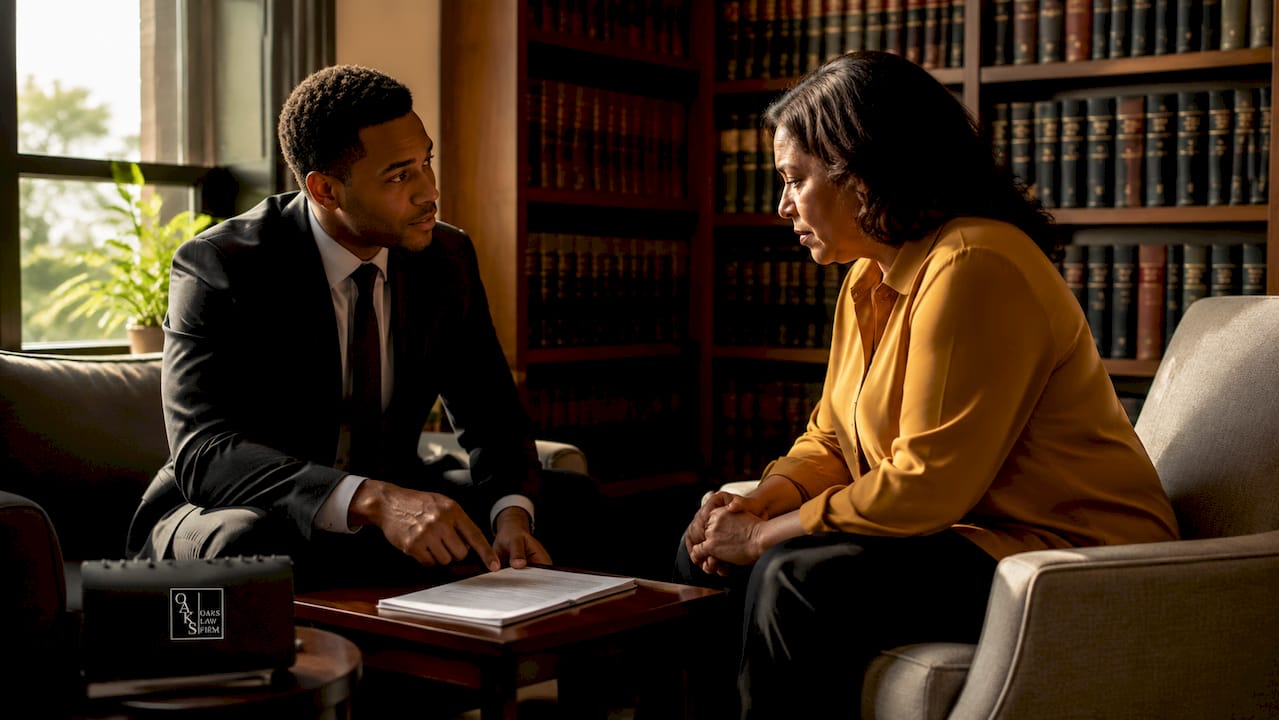
Personal injury attorneys work on contingency because injured clients cannot pay hourly rates upfront. The attorney fronts all costs, including expert witnesses, medical record retrieval, and litigation expenses, and recovers those costs only if the case settles or wins at trial. A lower fee cap shrinks the attorney’s potential recovery on complex cases while the costs remain the same. The math stops working on cases that require significant investment to prove.
The practical result is that attorneys will decline cases involving serious injuries, disputed liability, or long litigation timelines. Those are exactly the cases where injured Californians need the most help. Victims of catastrophic crashes, spinal injuries, or traumatic brain injuries face the steepest legal battles. Under a 25% cap, many of those victims will struggle to find representation at all.
- Attorneys currently accept cases knowing that a higher fee compensates for the risk of losing and recovering nothing.
- A 25% cap makes complex cases economically unviable for most plaintiff law firms.
- Victims with serious injuries who cannot find attorneys are forced to negotiate directly with insurance companies.
- Insurance companies have professional adjusters and legal teams; unrepresented victims do not.
- Fewer represented victims means fewer settlements, which means less cost recovery for Medi-Cal.
Pro Tip: If you were injured in a California car accident, understanding how contingency fee structures affect your settlement is critical before signing any agreement with an attorney.
What happens when medical liens are banned?
Medical lien financing is a specific arrangement where a medical provider agrees to treat an injury victim now and collect payment later, from the proceeds of a legal settlement. This system exists because crash victims are often uninsured, underinsured, or waiting on disputed insurance claims. Without a lien arrangement, many victims cannot access specialists, surgeons, or rehabilitation providers at all.
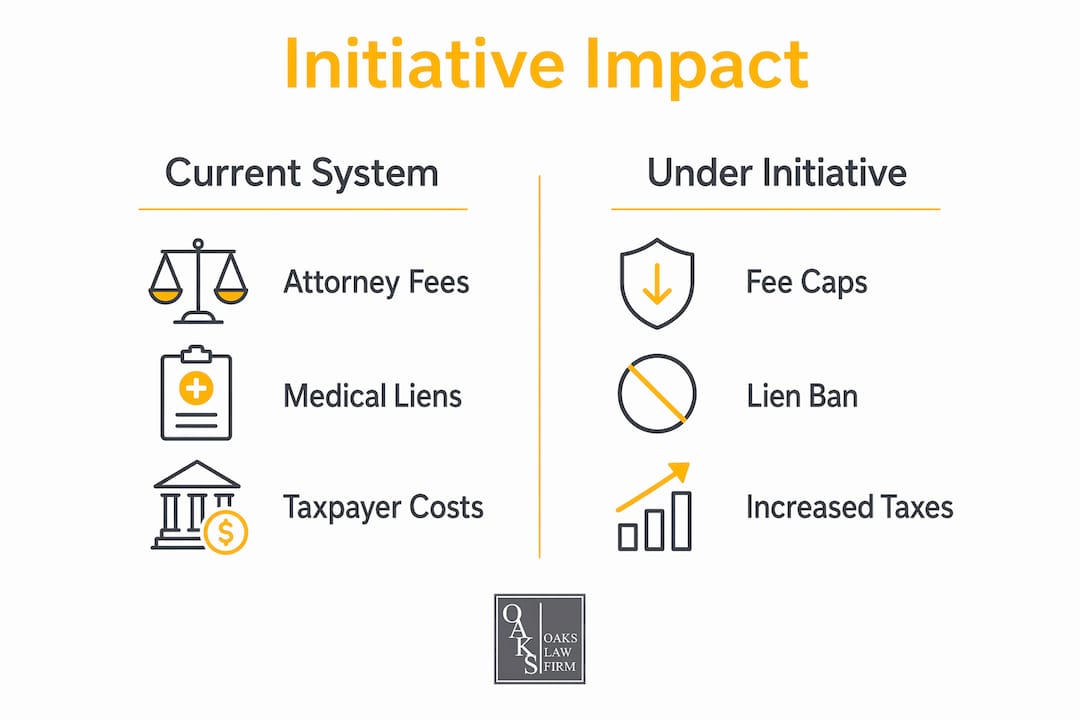
Uber’s initiative bans attorney-doctor financial arrangements of this kind. The ban on lien-based care cuts off a critical financing mechanism that allows injured people to receive timely, specialized treatment. Without it, victims face a stark choice: pay out of pocket, go to an emergency room, or enroll in Medi-Cal.
Most crash victims cannot pay out of pocket for orthopedic surgery or neurological care. Emergency rooms treat acute conditions but do not provide the ongoing rehabilitation that serious injuries require. That leaves Medi-Cal as the default option for a large share of uninsured and underinsured crash victims in California.
Here is how the cost shift works in practice:
- A crash victim with no private insurance is injured in an Uber-related accident.
- Without lien financing, the victim cannot access a specialist who would treat on deferred payment.
- The victim enrolls in Medi-Cal to cover treatment costs.
- Medi-Cal pays the provider at its reimbursement rates, which are substantially lower than private provider charges.
- If no attorney takes the case, Medi-Cal cannot recover those costs from a settlement.
- California taxpayers absorb the unpaid balance.
Pro Tip: Understanding how medical liens work in personal injury cases can help you make informed decisions about your treatment options after a crash.
The initiative also caps recoverable medical damages at Medi-Cal reimbursement rates. That provision undervalues actual care costs and forces injured parties toward public healthcare, compounding the taxpayer burden at every stage of the process.
| Stage | Current system | Under the initiative |
|---|---|---|
| Medical access | Lien financing covers specialist care | No lien option; victims rely on Medi-Cal or ER |
| Attorney representation | Higher fees support complex case investment | 25% cap deters attorneys from serious cases |
| Settlement recovery | Medi-Cal recoups costs from settlements | Fewer settlements mean unreimbursed Medi-Cal costs |
| Taxpayer exposure | Limited by private recovery | Increased by tens of millions annually |
What does the California Legislative Analyst’s Office say about taxpayer costs?
The California Legislative Analyst’s Office is the state’s nonpartisan fiscal watchdog. Its analysis of Uber’s initiative concludes that the measure will increase Medi-Cal spending by tens of millions of dollars each year. That estimate reflects a specific chain of events the LAO identified as likely outcomes of the fee cap and lien ban.
When attorneys decline cases because the economics no longer work, injured victims do not recover damages from at-fault parties. Medi-Cal, which paid for their treatment, loses its right to recoup those costs through a process called subrogation. Subrogation allows Medi-Cal to claim reimbursement from a personal injury settlement. No settlement means no reimbursement. The cost stays on the public books.
“If the personal injury legal system breaks down under fee caps, taxpayers ultimately cover unreimbursed medical costs via Medi-Cal.” — Attorney Jason Javaheri, as reported by EIN Presswire
That observation captures the fiscal logic precisely. The initiative does not reduce medical costs. It redirects who pays them. Private parties and their insurers pay less. California taxpayers pay more.
Medi-Cal already serves millions of Californians and represents one of the largest line items in the state budget. Increased demand without recoveries risks worsening provider shortages and wait times across the program. When Medi-Cal absorbs more unreimbursed costs, the state either cuts services, raises taxes, or reduces provider reimbursement rates further. Each of those outcomes harms California taxpayers and Medi-Cal recipients alike.
Consumer Watchdog and legal professionals have criticized the initiative’s framing as misleading to voters. The ballot language presents the measure as a consumer protection tool. The LAO’s fiscal analysis tells a different story. Voters who read only the ballot title will not see the Medi-Cal cost projection. That gap between marketing and fiscal reality is the core of the California taxpayer concern.
Why the constitutional amendment structure makes this permanent
Uber’s initiative is not a statute. It is a proposed constitutional amendment. That distinction matters enormously for California taxpayers and their long-term legal protections.
California statutes can be amended or repealed by a simple majority vote of the Legislature. Constitutional amendments require either a two-thirds vote of both legislative chambers followed by voter ratification, or a new ballot initiative approved by voters. The constitutional amendment structure creates a legal framework that is far harder to correct if the fiscal consequences prove worse than projected.
- A future Legislature cannot simply pass a bill to restore attorney fee flexibility or medical lien access.
- Any legislative fix requires a supermajority vote and a return to the ballot.
- That process takes years and costs millions in campaign spending.
- Meanwhile, the fee caps and lien bans remain in force, and Medi-Cal absorbs costs every year.
The initiative’s constitutional entrenchment also limits courts’ ability to interpret the provisions flexibly. Statutory language can be construed broadly by courts applying equitable principles. Constitutional text is harder to stretch. Judges applying the initiative’s provisions will be constrained by its literal terms, even in cases where rigid application produces unjust outcomes.
The long-term implications for California’s personal injury legal standards are significant. Attorneys who practice in this area will restructure their practices around the new fee ceiling. Law firms that currently handle complex catastrophic injury cases may exit the plaintiff’s market entirely. That contraction in legal capacity will outlast any single election cycle. California taxpayers will live with those consequences for a generation.
Key Takeaways
Uber’s 2026 ballot initiative shifts auto accident costs from private parties to California taxpayers by restricting attorney fees, banning medical liens, and reducing legal settlements that fund Medi-Cal reimbursements.
| Point | Details |
|---|---|
| Fee cap deters attorneys | A 25% contingency fee cap makes complex injury cases economically unviable for plaintiff attorneys. |
| Lien ban cuts care access | Banning medical lien arrangements forces uninsured crash victims onto Medi-Cal for specialist treatment. |
| LAO projects higher costs | The California Legislative Analyst’s Office estimates tens of millions in additional annual Medi-Cal spending. |
| Taxpayers absorb the gap | Fewer settlements mean Medi-Cal cannot recover costs through subrogation, leaving taxpayers to cover the balance. |
| Constitutional lock-in | The amendment structure makes these restrictions extremely difficult to reverse through normal legislative action. |
Why this initiative’s framing should concern every California voter
I have spent my career representing injured Californians in the and across the state. I have seen firsthand what happens when injured people cannot access legal representation. They settle for far less than their injuries are worth, or they walk away with nothing. Uber’s initiative will make that outcome far more common, and it will do so while telling voters it is protecting them.
The framing of this measure as a consumer benefit is the part that troubles me most. Fee caps sound reasonable in the abstract. Nobody wants attorneys to take excessive cuts. But the 25% ceiling is not calibrated to what cases actually cost to litigate. It is calibrated to what makes economic sense for a company that faces thousands of accident claims every year. Uber’s interest is in reducing payouts. The initiative serves that interest directly.
What voters are not being told is that the cost does not disappear when a victim cannot find an attorney. It moves. It moves from Uber’s insurance carrier to Medi-Cal. It moves from a private settlement to a public program funded by every California taxpayer. The LAO confirmed this in writing. That confirmation should be the headline on every ballot argument.
I also want to be direct about the constitutional amendment angle. Ballot initiatives that embed policy into the state constitution are a serious tool. They are appropriate for fundamental rights and structural governance questions. Using that mechanism to cap attorney fees in auto accident cases is not a constitutional matter. It is a business decision dressed in constitutional clothing. Once it passes, the Legislature cannot fix it quickly. Californians will be living with the consequences long after the campaign ads are forgotten.
If you were injured in a California car accident and want to understand your rights under the current law before these changes take effect, contact Oakslawfirm for a free case evaluation. You can also review how Uber’s initiative strips injured Californians of key protections.
— Matthew Nezhad
Oakslawfirm can help you protect your rights now
California’s personal injury law is changing fast. Uber’s 2026 ballot initiative, if passed, will limit attorney fees, ban medical lien financing, and cap recoverable damages in ways that reduce what injured victims can recover. The time to understand your legal options is before those changes take effect.
Oakslawfirm has represented injured Californians since 2002, with offices in Sherman Oaks and Woodland Hills. Attorney Matthew Nezhad and his team handle car accident claims throughout the and across California. The firm works on a no-fee guarantee basis, meaning you pay nothing unless your case wins. If you were hurt in a crash and want to know what your claim is worth under current law, contact Oakslawfirm today for a free case evaluation.
FAQ
What is Uber’s 2026 ballot initiative in California?
Uber’s 2026 ballot initiative is a proposed constitutional amendment that caps attorney contingency fees at 25% in auto accident cases and bans medical lien financing arrangements between attorneys and medical providers.
How does the Uber initiative increase costs for California taxpayers?
The initiative reduces the number of successful personal injury claims, which means Medi-Cal cannot recover costs through subrogation from settlements. The California Legislative Analyst’s Office estimates this will increase Medi-Cal spending by tens of millions of dollars annually.
What is a medical lien and why does banning it matter?
A medical lien is an arrangement where a provider treats an injury victim now and collects payment from a future settlement. Banning these arrangements forces uninsured crash victims onto Medi-Cal for care, shifting costs from private parties to California taxpayers.
Can the California Legislature fix the initiative if it passes?
No, not easily. Because the initiative is structured as a constitutional amendment, reversing or modifying it requires either a two-thirds legislative supermajority followed by voter approval, or a new ballot initiative. That process takes years.
Does the two-year statute of limitations still apply to car accident claims?
Yes. Under California Code of Civil Procedure §335.1, injured victims generally have two years from the date of injury to file a personal injury lawsuit. Claims against government entities require a government tort claim within six months under Government Code §911.2. These deadlines apply regardless of any ballot initiative outcome.
Legal Disclaimer: The information provided in this article is for general informational purposes only and does not constitute legal advice. Reading this article does not create an attorney-client relationship between you and Oaks Law Firm. Every legal situation is unique, and the outcome of any legal matter depends on the specific facts and circumstances involved. Oaks Law Firm makes no guarantees about the outcome of any case. If you have been injured and need legal advice, please contact a qualified California personal injury attorney directly. Past results do not guarantee future outcomes.
Recommended
- How Uber’s 2026 Ballot Initiative Would Strip Injured Californians
- Will Uber/Lyft and Rideshare Insurance Cover You For Your Loss Based On The New CA AB5 Law? – Oaks Law Firm
- New California Ruling: Holding Your Phone for GPS While Driving Is Now Illegal – Oaks Law Firm
- Rideshare Accident Liability Explained for California Victims
