
DUI Accident Injury Claim Explained: 2026 California Guide
A DUI accident injury claim is a civil legal action filed by people hurt by a drunk or impaired driver in California to recover compensation from the at-fault driver and, in limited situations, from other responsible parties. This civil claim is completely separate from any criminal DUI case the state pursues against the driver, and you do not need a criminal conviction to file one. The standard of proof in civil court is lower: a preponderance of the evidence, meaning it is more likely than not that the driver was impaired and caused your injuries. Drunk driving remains a serious problem on California roads — according to the National Highway Traffic Safety Administration, more than 1,300 people were killed in alcohol-impaired driving crashes in the state in 2023, one of the highest totals in the nation. Understanding how a California DUI accident injury claim works gives you a real advantage when dealing with insurers, deadlines, and evidence collection.
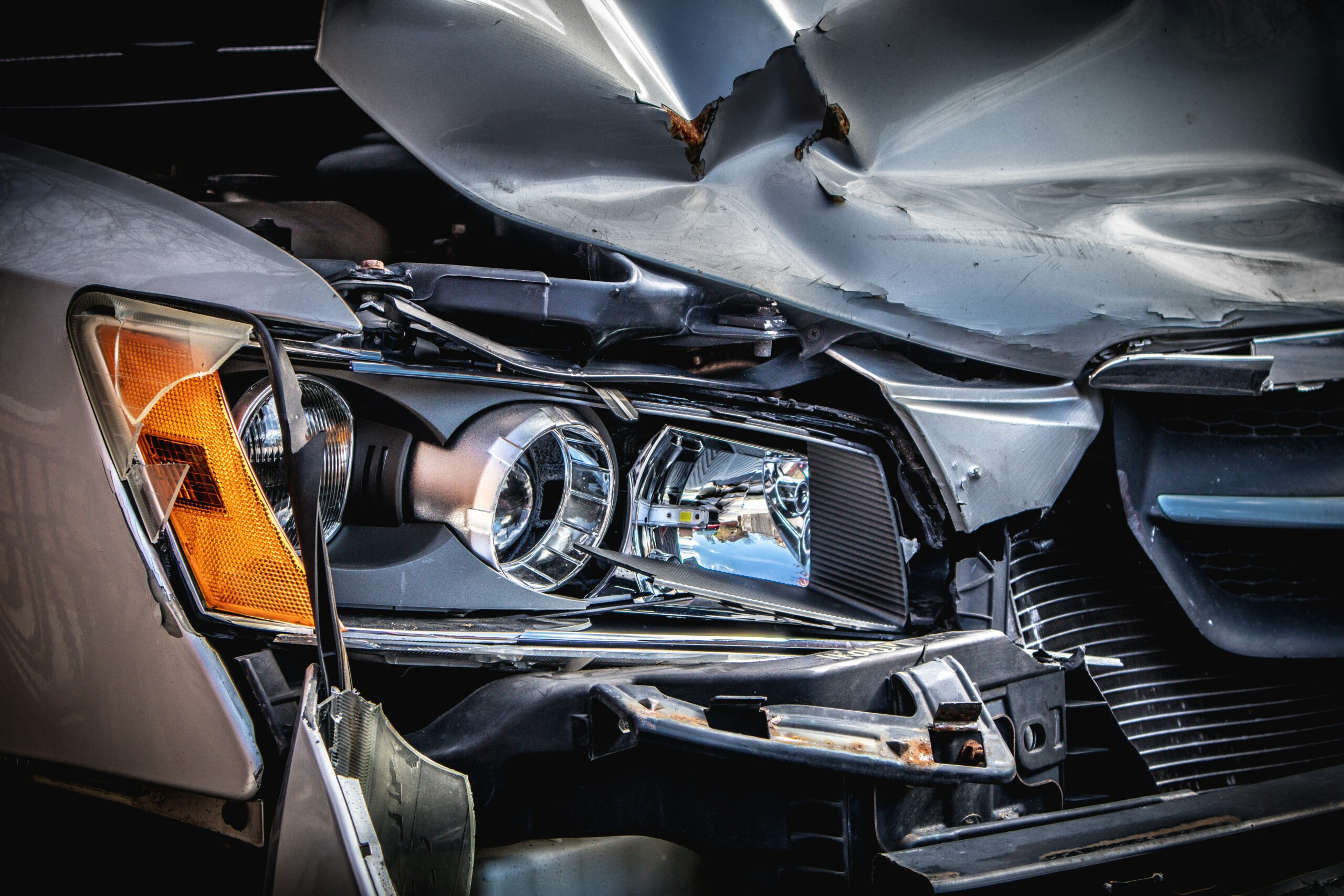
What damages can victims recover in a California DUI accident injury claim?
Victims of drunk driving crashes in California can pursue two broad categories of compensation: compensatory damages and punitive damages. Compensatory damages cover your actual losses. Punitive damages are meant to punish the driver for especially reckless conduct and go beyond what you lost.
Compensatory damages: economic and non-economic
Economic damages are the financial losses you can document with receipts and records. They include:
- Medical expenses: Emergency care, surgery, hospitalization, physical therapy, and the cost of future treatment
- Lost income: Wages you missed while recovering, plus reduced earning capacity if your injuries are permanent
- Property damage: Repair or replacement of your vehicle and any personal property destroyed in the crash
- Out-of-pocket costs: Transportation to medical appointments, home care, and assistive devices
Non-economic damages cover losses that do not come with a price tag. Pain and suffering, emotional distress, loss of enjoyment of life, and loss of companionship for a spouse all fall into this category. These damages are harder to calculate, but they are real and recoverable under California law.
Punitive damages in California DUI cases
California Civil Code § 3294 allows punitive damages in addition to compensatory damages when there is clear and convincing evidence that the defendant acted with malice, oppression, or fraud. California courts have long recognized that choosing to drive while intoxicated can amount to a conscious disregard for the safety of others the kind of conduct that supports a punitive damages claim. Evidence such as a blood alcohol concentration far above California’s 0.08% legal limit, prior DUI convictions, or drinking heavily while knowing a drive was ahead can all strengthen this argument. The possibility of punitive damages also changes how insurers and defense attorneys evaluate risk in these cases, which is one reason DUI injury claims should never be treated like an ordinary fender-bender claim.
Wrongful death and claims beyond the drunk driver
If a loved one died in the crash, a California wrongful death claim can seek compensation for funeral and burial expenses, lost financial support, and the loss of companionship and guidance.
Many victims ask whether the bar or restaurant that served the driver can also be sued. California takes a narrower approach than most states. Under Business and Professions Code § 25602 and Civil Code § 1714, businesses and social hosts generally cannot be held civilly liable for serving alcohol to an adult, because California law treats the consumption of alcohol — not the furnishing of it — as the legal cause of the resulting harm. The key exception is Business and Professions Code § 25602.1: a bar, restaurant, liquor store, or other seller that furnishes alcohol to an obviously intoxicated minor (a person under 21) can be held liable for the injuries that minor causes. A similar exception applies to adults who knowingly provide alcohol at their home to someone they know, or should know, is under 21.
Because these third-party claims are limited in California, a thorough claim also looks at every available insurance source: the driver’s liability policy, your own uninsured or underinsured motorist coverage, any umbrella policies, and possible employer liability if the driver was working at the time of the crash.
How does the DUI accident claims process work in California?
The injury claim process after a DUI crash follows a clear sequence. Knowing each step helps you avoid costly mistakes and protects the value of your claim.
Seek medical attention immediately. Get treated the same day as the crash, even if you feel fine. Injuries like whiplash, concussions, and internal trauma often take hours or days to surface. Delaying treatment, or leaving long gaps between appointments, gives insurers room to argue your injuries were not caused by the crash.
Report the crash and secure the police report. Call 911 at the scene. A traffic collision report documenting intoxication evidence — field sobriety tests, breath or blood test results, and officer observations is foundational to a DUI civil claim. California law also requires drivers to report a crash to the DMV within 10 days on form SR-1 when anyone is injured or killed or property damage exceeds $1,000. Request a copy of the report as soon as it is available and review it carefully for errors.
Document your injuries from day one. Photograph every visible injury. Keep a daily journal describing your pain levels, limitations, and emotional state. Consistent injury documentation builds a timeline that supports your non-economic damage claims.
Preserve all evidence immediately. Contact witnesses and collect their contact information. Send formal preservation requests for surveillance footage before it is overwritten. Screenshot the driver’s social media activity. Every hour counts.
File your claim within California’s deadlines. Most California personal injury claims must be filed within two years of the date of injury under Code of Civil Procedure § 335.1. If a government entity is involved for example, if the impaired driver was a public employee on duty, or a dangerous road condition contributed to the crash a formal written claim must generally be presented within six months under Government Code § 911.2, before any lawsuit can even be filed. Missing a deadline can permanently end your right to compensation.
Consult a personal injury attorney before talking to insurers. A California DUI accident lawyer reviews your case, identifies all liable parties and insurance sources, and handles communications with adjusters on your behalf.
Negotiate or litigate. Many DUI injury claims resolve through settlement negotiations. If the insurer’s offer does not fairly account for your losses, your attorney can file a lawsuit and pursue the case in court.
Pro Tip: Never give a recorded statement to an insurance adjuster in the first days after the crash. Early statements made while you are in shock or still in pain can be used to minimize your claim later.
What evidence is crucial for strengthening a DUI accident injury claim?
Strong evidence is the difference between a fair settlement and a lowball offer. The following types of evidence carry the most weight in California DUI civil claims.
Police report and BAC documentation: A traffic collision report with sobriety and chemical test results is often the single strongest piece of evidence in a DUI injury case. It helps establish impairment as a documented fact, not an allegation.
Surveillance footage: Cameras at nearby businesses, traffic signals, and gas stations may have captured the crash or the driver’s behavior before impact. Surveillance systems often overwrite footage within days. Send a formal legal preservation demand as soon as possible.
Social media evidence: Posts from the intoxicated driver check-ins at bars, photos with drinks, or self-incriminating updates — can be admissible in civil court. Screenshot everything immediately before it gets deleted.
Witness statements: Bystanders who saw the driver swerving, smelled alcohol, or heard the driver admit to drinking are valuable. Get their names and phone numbers at the scene.
Medical records and expert evaluations: Your treating physicians document the link between the crash and your injuries. Independent medical experts can address long-term prognosis and future care needs.
Your injury journal: A daily written record of symptoms, pain levels, and how your injuries affect your daily life supports non-economic damage claims in ways that medical records alone cannot.
Pro Tip: Avoid posting about the accident or your injuries on your own social media. Insurance defense attorneys routinely monitor claimant accounts and use posts out of context to argue your injuries are less severe than claimed.
Reading your traffic collision report carefully is also worth doing early. Errors in the report, such as a wrong address or a missing notation about the driver’s impairment, can be corrected before they cause problems in your claim.
How long do you have to file a DUI accident injury claim in California?
The statute of limitations is the legal deadline for filing your claim. Miss it, and you generally lose the right to sue, no matter how strong your evidence is.
For most California personal injury claims, including injuries from a DUI crash, the deadline is two years from the date of injury under Code of Civil Procedure § 335.1. The clock usually starts on the date of the crash. The most important exception involves government entities: if a city, county, state agency, or other public entity may share responsibility, a formal written claim must generally be presented within six months of the incident under the California Government Claims Act, Government Code § 911.2 — a far shorter window than most people expect, and a required step before any lawsuit can be filed. Limited exceptions can also pause the deadline in certain situations, such as claims involving injured minors, while other circumstances can shorten it. Whether your crash happened in Los Angeles, the , or anywhere else in the state, these California deadlines apply.
| Situation | General California deadline | Key law |
|---|---|---|
| Personal injury from a DUI crash | 2 years from the date of injury | Code of Civil Procedure § 335.1 |
| Wrongful death | 2 years from the date of death | Code of Civil Procedure § 335.1 |
| Vehicle or property damage | 3 years | Code of Civil Procedure § 338 |
| Claim against a government entity | Written claim generally within 6 months | Government Code § 911.2 |
The civil case also operates independently from the criminal DUI case. You can file and win a civil claim even if the driver was acquitted in criminal court or charges were never filed, because the civil standard of proof a preponderance of the evidence is easier to meet than the criminal standard of beyond a reasonable doubt. And if the driver is convicted, California’s negligence per se doctrine under Evidence Code § 669 can make proving fault in the civil case more straightforward, though a conviction is never required.
Consulting an attorney early is the most reliable way to identify every deadline that applies to your specific situation and avoid losing your claim on a technicality.
Key Takeaways
A California DUI accident injury claim gives victims the legal right to pursue compensation from the drunk driver and, in limited circumstances, from others who share responsibility.
| Point | Details |
|---|---|
| The civil claim is separate from the criminal case | You can pursue compensation whether or not the driver is ever convicted of DUI. |
| Punitive damages may be available | Civil Code § 3294 permits punitive damages where clear and convincing evidence shows a conscious disregard for the safety of others, such as driving drunk. |
| Evidence must be preserved immediately | Surveillance footage and other key evidence can be erased within days; act as soon as possible after the crash. |
| California deadlines are strict | Most claims must be filed within two years (CCP § 335.1); government entity claims generally require a written claim within six months (Gov. Code § 911.2). |
| Claims against bars are limited in California | Establishments generally cannot be sued for serving adults, with a narrow exception for obviously intoxicated minors; identifying every insurance source matters. |
What I have learned after years of DUI injury cases
After more than two decades handling personal injury cases in the , I can tell you that DUI injury claims are not like other car accident cases. The intoxication element changes everything, and most victims do not realize how much leverage they actually have.
The biggest mistake I see is waiting. Victims feel overwhelmed after a crash, and they assume the criminal case will handle everything. It will not. The criminal case does nothing for your medical bills, your lost wages, or your pain. Your civil claim is entirely separate, and the clock starts running the day of the crash.
The second mistake is talking to the insurance adjuster too soon. Adjusters are trained to get recorded statements early, while you are still in shock and before you understand the full extent of your injuries. Those statements get used against you. Do not give one before speaking with an attorney.
What I have also seen is that punitive damages genuinely change the dynamics in California DUI cases. When a driver had a blood alcohol concentration well above the legal limit or had prior DUI convictions, courts take that seriously. Juries take it seriously. That changes how insurers approach these cases long before trial.
The good news is that contingency fee arrangements are standard in DUI injury cases, which means you do not pay attorney’s fees unless compensation is recovered. Case costs and expenses are a separate part of any fee agreement, and a good attorney will explain exactly how those are handled before you sign anything. Cost should never be the reason you go without legal help. The complexity of these cases multiple insurance policies, punitive damage arguments, and unforgiving government claim deadlines is exactly why having an experienced attorney matters from day one.
How Oaks Law Firm can help with your DUI injury claim
Oaks Law Firm has spent more than two decades fighting for injured victims throughout the and across California. Attorney Matthew Nezhad and his team handle every stage of a California DUI injury claim, from the initial case evaluation through settlement negotiations or trial.
The firm works on a contingency fee basis, which means clients do not pay attorney’s fees unless compensation is recovered; how case costs and expenses are handled is explained clearly at the outset of representation. Oaks Law Firm also handles claims involving multiple defendants and insurance policies, including the limited situations where California law allows a claim against a business or host that furnished alcohol to a minor. If you are ready to understand your legal options, start by reviewing how to file a personal injury lawsuit in Los Angeles, or learn more about how compensation works in California car accident cases. Contact Oaks Law Firm today (877) 539-5366 for a free case evaluation specific to your situation.
Oaks Law Firm Personal Injury Attorneys | Serving the and Greater Los Angeles, California
This article is provided for general informational purposes only and does not constitute legal advice. The information presented may not reflect the most current legal developments and should not be relied upon as a substitute for consultation with a licensed attorney. Every personal injury case involves unique facts and circumstances, and the outcome of any case depends entirely on those specific facts. Any results, settlement amounts, or verdicts referenced in this content are specific to the individual cases described, are not typical, and do not guarantee, promise, or predict a similar outcome in your case. Reading this content does not create an attorney-client relationship with Oaks Law Firm. Contact us directly for a consultation specific to your situation.
FAQ
What is a DUI accident injury claim in California?
A DUI accident injury claim is a civil lawsuit filed by a crash victim against the impaired driver — and, in limited circumstances, other liable parties — to recover compensation for medical costs, lost income, and other damages. It is separate from any criminal case the state files against the driver.
Do I need a criminal conviction to file a DUI injury claim?
No. Civil claims only require proof by a preponderance of the evidence, meaning it is more likely than not that the driver was impaired and caused your injuries. A criminal conviction is not required, and you do not need to wait for the criminal case to conclude, although a conviction can make the civil case easier to prove.
How long do I have to file a DUI accident injury claim in California?
Most California personal injury claims must be filed within two years of the date of injury under Code of Civil Procedure § 335.1. If a government entity may be responsible, a written claim must generally be presented within six months under Government Code § 911.2. Because exceptions can shorten or extend these windows, confirm your specific deadline with an attorney as soon as possible.
Can I sue a bar or restaurant after a DUI crash in California?
Usually not when the driver is an adult. California law generally shields businesses and social hosts from liability for serving alcohol. The main exception is Business and Professions Code § 25602.1, which allows claims against those who furnish alcohol to an obviously intoxicated minor, along with a similar rule for adults who knowingly provide alcohol to someone under 21 at their home. An attorney can evaluate whether an exception applies and identify other coverage sources, such as your own uninsured or underinsured motorist policy.
What damages can I recover in a California DUI injury claim?
You can pursue economic damages such as medical bills and lost wages, non-economic damages such as pain and suffering, and — where the evidence shows a conscious disregard for the safety of others, such as driving with a very high BAC or after prior DUI convictions — punitive damages under Civil Code § 3294.
