

Rideshare accident liability is defined by California law as the assignment of legal responsibility and insurance coverage based on the Uber or Lyft driver’s exact app status at the moment of a collision. This framework matters because the difference between a driver having the app off versus actively transporting a passenger can mean the difference between $50,000 and $1 million in available coverage. Three key players shape every claim: the rideshare driver, the rideshare company (Uber or Lyft), and any third-party drivers involved. Understanding how these parties interact under California’s regulatory framework is the first step toward protecting your rights after a crash.
Rideshare accident liability explained: the three app status periods
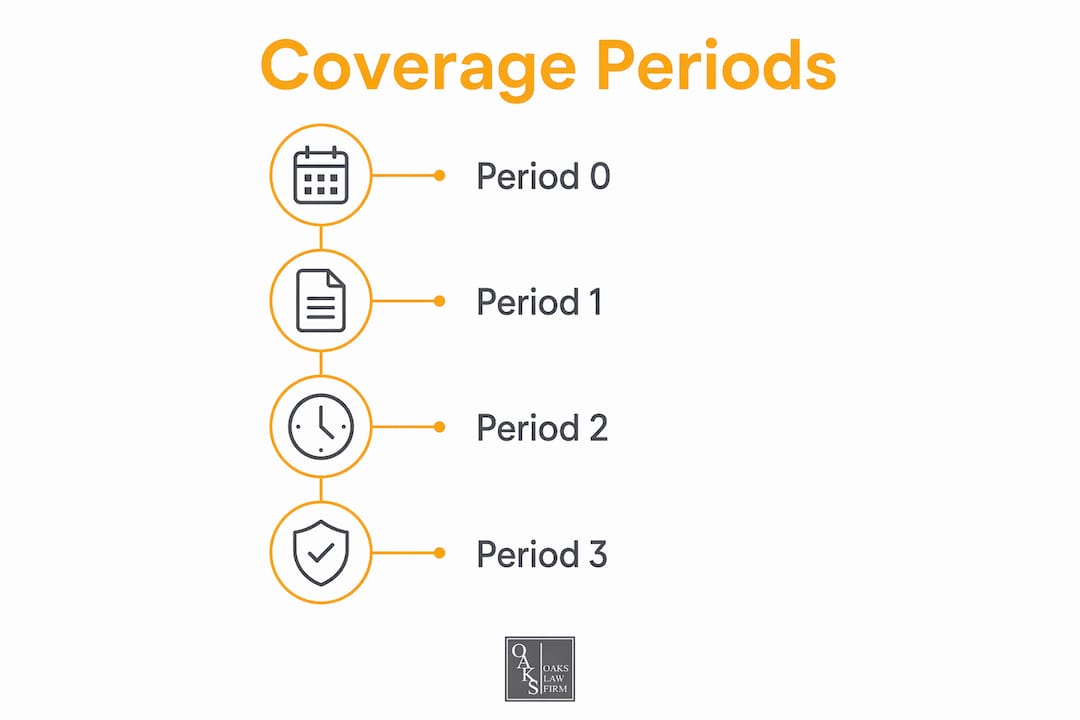
California law divides rideshare driver activity into three distinct insurance coverage periods based on app status, and each period carries dramatically different liability rules and coverage limits. This is the single most important framework for anyone injured in a rideshare crash to understand.
Period 0: app completely off
When the driver’s app is off, the trip is treated like any private vehicle accident. The driver’s personal auto insurance is the only coverage available. Rideshare companies like Uber and Lyft have no insurance obligation during this period. If the driver carries insufficient personal coverage, injured parties face the same challenges as in any underinsured accident.
Period 1: app on, waiting for a ride request
Period 1 begins the moment a driver activates the Uber or Lyft app and starts waiting for a match. This is where coverage gets complicated. Rideshare companies provide contingent liability coverage of $50,000 per person and $100,000 per accident during Period 1. That contingent coverage only activates if the driver’s personal insurance denies the claim, which it often does because most personal policies exclude commercial or rideshare use.
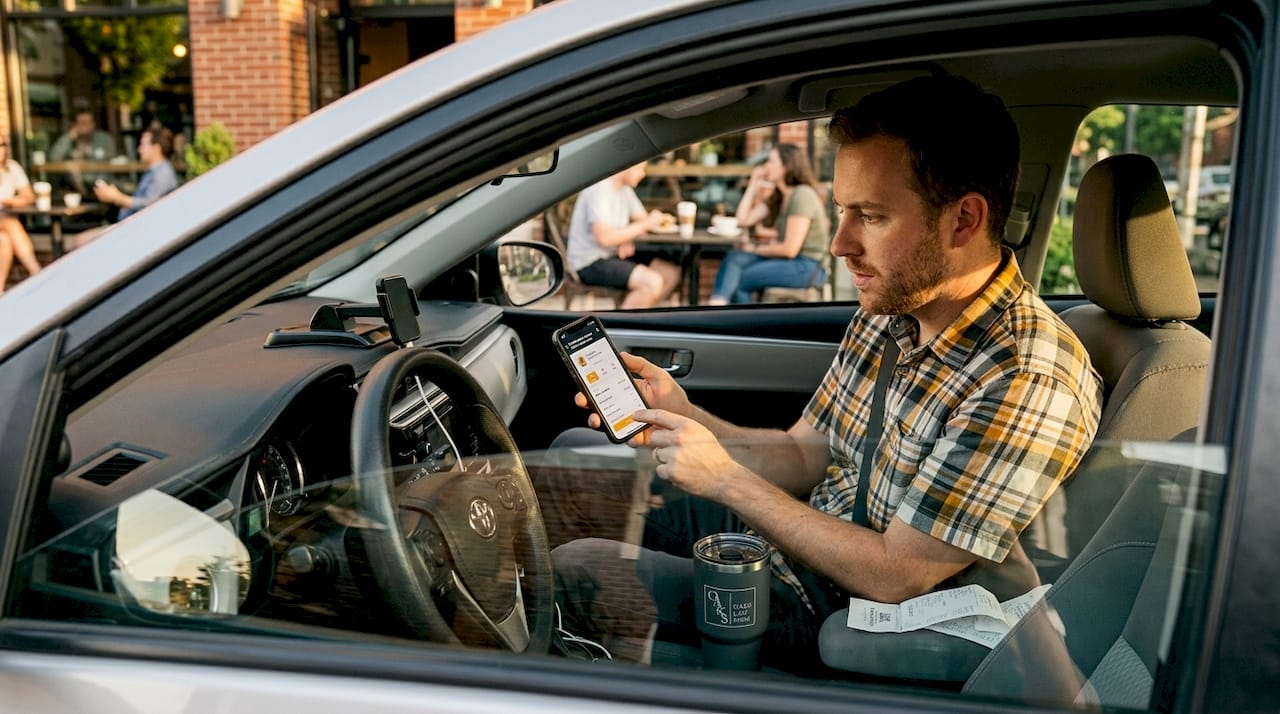
Periods 2 and 3: accepted trip and passenger onboard
Period 2 starts when the driver accepts a ride request and begins driving toward the passenger. Period 3 covers the active trip from pickup to dropoff. During both periods, Uber and Lyft provide primary commercial liability coverage up to $1 million. This is the most protective phase for injured passengers and other road users.
The table below summarizes how coverage shifts across each period:
| App status period | Driver activity | Coverage type | Coverage limit |
|---|---|---|---|
| Period 0 | App off | Personal auto insurance only | Varies by driver’s policy |
| Period 1 | App on, waiting | Contingent TNC liability | $50K per person / $100K per accident |
| Period 2 | Trip accepted, en route | Primary TNC commercial liability | Up to $1 million |
| Period 3 | Passenger onboard | Primary TNC commercial liability | Up to $1 million |
Pro Tip: Take a screenshot of your Uber or Lyft app immediately after any accident. The trip history screen showing timestamps and driver details is the fastest way to confirm which coverage period applies to your claim.
Who is liable in a rideshare accident beyond app status?
Liability in rideshare accidents is not limited to the driver who caused the crash. Multiple parties can share responsibility, and California’s comparative negligence rules allow injured victims to recover from each party proportionally.
The rideshare driver carries personal liability for any negligent act behind the wheel, including distracted driving, speeding, or running a red light. That liability exists regardless of which app period was active. What changes with the period is which insurance policy pays the claim.
Rideshare companies classify drivers as independent contractors, which limits their direct employer liability under most circumstances. However, their commercial insurance policies cover Periods 2 and 3 fully, and injured parties can still pursue direct negligence claims against Uber or Lyft in certain situations, such as when the company failed to screen a driver with a known dangerous history.
Third-party drivers are a frequently overlooked source of liability. If another vehicle caused the crash, that driver’s personal auto insurance is the primary target. Third-party fault drivers maintain liability under standard negligence principles, and the rideshare company’s uninsured/underinsured motorist (UM/UIM) coverage can supplement recovery if the at-fault driver lacks sufficient insurance.
Here is a breakdown of the parties who may share liability in a rideshare accident:
- The rideshare driver: personally liable for negligent driving; covered by TNC insurance during Periods 2 and 3
- Uber or Lyft: liable through their commercial insurance policies during active trip phases; potentially directly liable for negligent hiring or retention
- Third-party drivers: liable under standard negligence law; their insurers pay first, with rideshare UM/UIM as a backstop
- Vehicle manufacturers: liable if a defect contributed to the crash, such as brake failure or a tire blowout
- Government entities: potentially liable if a road defect or missing signage contributed to the collision
Pro Tip: California follows pure comparative negligence, meaning you can recover compensation even if you were partially at fault. Do not assume a shared-fault finding eliminates your claim. Consult a rideshare accident attorney before accepting any settlement.
What evidence do you need to establish liability and coverage periods?
Preserving evidence of the driver’s app status at the time of the crash is the most important factor in determining liability and available insurance coverage. App data can become inaccessible or altered after the fact, which makes immediate action at the scene critical.
Follow these steps to protect your claim from the moment the crash occurs:
- Screenshot the app immediately. Open your Uber or Lyft app and capture the trip history screen showing the driver’s name, trip time, and route. This single piece of evidence can confirm which coverage period applies.
- Photograph the scene. Document vehicle positions, damage, road conditions, traffic signals, and any visible injuries. Time-stamped photos from your phone create an independent record that is difficult to dispute.
- Collect driver and witness information. Get the driver’s name, license plate, insurance card, and phone number. Gather contact details from any witnesses before they leave the scene.
- Request a copy of the police report. California law requires a police report for accidents involving injury. The report establishes an official timeline and identifies all parties.
- Send a preservation letter. Your attorney can send a formal legal hold letter to Uber or Lyft requiring them to preserve internal GPS data, trip logs, and app activity records. Without this letter, companies may delete data according to their standard retention schedules.
- Seek medical attention immediately. Medical records create a direct link between the crash and your injuries. Delayed treatment gives insurers grounds to argue your injuries were not caused by the accident.
The app-status dispute often becomes the primary battleground in rideshare accident claims, even when fault for the crash itself is clear. Insurance companies contest which period was active specifically to minimize payouts, shifting a $1 million exposure down to $50,000 or even zero. Solid, time-stamped evidence collected at the scene is your strongest defense against that tactic.
GPS data from the rideshare app and internal server logs can independently verify the driver’s status. Courts and insurers treat this data as highly reliable, which is why preservation letters sent within days of the crash carry so much weight. Waiting weeks to act risks permanent data loss.
What insurance coverage gaps exist in California rideshare accidents?
Coverage gaps in rideshare accidents are most severe during Period 1, and California law changes effective October 2025 have made the situation more complex for injured parties.
Many personal auto policies exclude rideshare or commercial use, which means a driver’s personal insurer will deny a Period 1 claim outright. The contingent TNC coverage from Uber or Lyft then becomes the only available source of compensation, but it only activates after that denial. This two-step process delays claims and creates disputes over which policy applies first.
The table below outlines the key coverage gaps and their practical impact:
| Coverage gap | When it occurs | Impact on injured party |
|---|---|---|
| Personal policy exclusion | Period 1, app on but no active trip | Claim denied; contingent TNC coverage must activate |
| Low Period 1 limits | Period 1 contingent coverage | Only $50K per person available for serious injuries |
| Reduced UM/UIM limits | Policies issued after October 1, 2025 | UM/UIM drops from $1 million to $60K per person |
| Coverage dispute delays | Any period with contested app status | Settlement delayed while insurers litigate period designation |
The UM/UIM reduction deserves particular attention. California’s TNC UM/UIM coverage dropped from $1 million to $60,000 per person and $120,000 per accident for policies issued after October 1, 2025. This legislative change directly affects how much compensation is available when an uninsured or underinsured driver causes a rideshare crash. Victims who previously could rely on a $1 million UM/UIM backstop now face a coverage ceiling that may not cover serious injuries.
Multiple insurance policies may apply simultaneously, which creates disputes over which policy is primary. The driver’s personal insurer and the rideshare company’s insurer each have financial incentives to argue the other policy should pay first. This coverage layering dispute is one of the most common reasons rideshare claims take longer to resolve than standard car accident claims.
Pro Tip: If you were injured during Period 1 and the driver’s personal insurer denies coverage, do not accept a quick settlement from the TNC’s contingent carrier. The $50,000 limit may sound significant, but serious injuries in California routinely generate medical bills and lost wages that far exceed that amount. Learn more about rideshare insurance coverage under California’s AB5 framework before signing anything.
How to protect your interests after a rideshare accident in California
Protecting your claim after a rideshare accident requires fast action, careful documentation, and an understanding of how insurance companies approach these cases.
- Do not give a recorded statement without legal counsel. Insurance adjusters use recorded statements to establish inconsistencies that reduce your payout. You are not legally required to provide one before consulting an attorney.
- Decline quick settlement offers. Early settlement offers from rideshare insurers are almost always below the full value of your claim. Once you sign a release, you cannot reopen the case even if your injuries worsen.
- Document your injuries thoroughly. Follow every medical recommendation and keep records of all treatment, prescriptions, and out-of-pocket expenses. Gaps in treatment are used to argue that injuries were not serious. Oaks Law Firm’s guide on documenting injuries after a crash outlines exactly what to collect.
- Understand California’s statute of limitations. Personal injury claims in California must generally be filed within two years of the accident date. Claims against government entities have a shorter window of six months for the initial notice. Missing these deadlines eliminates your right to compensation.
- Consult a rideshare-specific attorney early. An attorney experienced with Uber and Lyft claims knows how to send preservation letters, interpret app data, and negotiate with TNC insurers. Early involvement prevents evidence loss and positions your claim for maximum recovery. Understanding how compensation works in California car accidents gives you a baseline for evaluating any offer.
The Period 1 coverage phase is disproportionately disputed and often underinsured, making early and accurate documentation the single most effective tool for claim success. Victims who act quickly, preserve app evidence, and engage legal counsel before speaking to insurers consistently achieve better outcomes than those who navigate the process alone.
Key takeaways
Rideshare accident liability in California is determined first by the driver’s app status at the moment of impact, which controls which insurance policy applies and how much coverage is available.
| Point | Details |
|---|---|
| App status controls coverage | Period 0, 1, 2, and 3 each carry different insurance limits, from personal-only to $1 million commercial. |
| Period 1 is the most dangerous gap | Contingent coverage of $50K per person is often the only option when personal policies exclude rideshare use. |
| UM/UIM limits dropped in 2025 | California TNC policies issued after October 1, 2025 cap UM/UIM at $60K per person, down from $1 million. |
| Evidence preservation is critical | Screenshots, GPS data, and preservation letters determine which coverage period applies and protect your claim. |
| Multiple parties may share liability | Drivers, rideshare companies, and third-party drivers can all be held responsible under comparative negligence rules. |
What I’ve learned from fighting rideshare claims in California
After more than two decades handling personal injury cases in the , the pattern I see most often in rideshare accidents is not confusion about who caused the crash. It is confusion about which insurance company is supposed to pay for it.
The app-status dispute is where these cases are won or lost. I have seen insurers argue that a driver was in Period 0 when the client’s own phone showed an active trip on screen. I have seen Uber’s internal data contradict what the driver told police. The companies are not always acting in bad faith, but their financial incentive is clear: a Period 1 designation costs them $50,000 maximum, while a Period 2 or 3 designation exposes them to $1 million. That gap drives litigation.
What surprises most clients is how quickly app data disappears. Rideshare platforms update their apps frequently, and trip history interfaces change. Data that was visible on day one may be buried or inaccessible within weeks. I tell every client the same thing: screenshot everything before you leave the scene, and call us before you call the insurance company.
The October 2025 UM/UIM reduction is a real setback for injured Californians. A $60,000 ceiling for an uninsured driver scenario is genuinely inadequate for serious injuries in Los Angeles, where a single emergency room visit can exceed that amount. Victims need to understand this limitation before they accept any settlement framed as the “policy maximum.”
The clients who fare best are the ones who treat the first 48 hours after a crash as a legal evidence-gathering window, not just a recovery period. Document everything, preserve the app data, and get qualified legal help before the insurance company shapes the narrative.
— Matthew Nezhad
How Oaks Law Firm helps rideshare accident victims in California
Oaks Law Firm has spent decades protecting injured Californians from the tactics insurance companies use to minimize rideshare claims. Attorney Matthew Nezhad and his team understand the app-status periods, the coverage gaps, and the evidence that makes the difference between a low settlement and full compensation.
From sending preservation letters to Uber and Lyft within days of a crash to negotiating directly with TNC insurers across all three coverage periods, the firm handles every step of the process. If you were injured as a rideshare passenger or in a crash involving an Uber or Lyft driver, contact Oaks Law Firm today for a free case evaluation. There is no fee unless you recover.
FAQ
What determines liability in a rideshare accident?
Liability in a rideshare accident is determined primarily by the driver’s app status at the time of the crash, which controls which insurance policy applies and how much coverage is available. California law defines three coverage periods, each with distinct liability rules for the driver and the rideshare company.
How much insurance coverage does Uber or Lyft provide?
During Periods 2 and 3, Uber and Lyft provide primary commercial liability coverage up to $1 million. During Period 1, coverage drops to a contingent $50,000 per person and $100,000 per accident, which only activates after the driver’s personal insurance denies the claim.
What happens if the driver’s app was off during the accident?
If the driver’s app was completely off, the crash is treated as a standard private vehicle accident. Only the driver’s personal auto insurance applies, and Uber or Lyft have no coverage obligation.
Can I sue Uber or Lyft directly after a rideshare accident?
Direct negligence claims against Uber or Lyft are possible in limited circumstances, such as negligent driver screening or retention. In most cases, the rideshare company’s commercial insurance policy is the primary source of compensation during active trip phases rather than a direct lawsuit against the company.
How long do I have to file a rideshare accident claim in California?
California’s statute of limitations for personal injury claims is generally two years from the accident date. Claims involving government entities require a notice of claim within six months. Missing either deadline permanently bars recovery, so consulting an attorney promptly after a crash is critical.
This article is provided for general informational purposes only and does not constitute legal advice. The information presented may not reflect the most current legal developments and should not be relied upon as a substitute for consultation with a licensed attorney. Every personal injury case involves unique facts and circumstances, and the outcome of any case depends entirely on those specific facts. Any results, settlement amounts, or verdicts referenced in this content are specific to the individual cases described, are not typical, and do not guarantee, promise, or predict a similar outcome in your case. Reading this content does not create an attorney-client relationship with Oaks Law Firm. Contact us directly for a consultation specific to your situation.
Recommended
